Deep dive - achievement unlocked!
TLDR#
I’ve gone and got my PADI Open Water Diver license & photographed some aquatic life. You will find my experience with the overall process, along with my personal tries at identification for what I’ve photographed, down below.
The why?#
During the summer of 2025, I wanted to do more besides simple snorkling. I’ve been swimming and surface diving since I was little, so I figured why not try the real deal? - meaning scuba diving. After some research, I’ve understood that simply scuba diving is not something that you just do - you need a license and proper training beforehand.
🤔 Why is that?
Scuba diving is a complex process, where your body is exposed to a much greater pressure the deeper you go. This affects everything, from your body & the internal gasses (which includes air in your lungs) to how much air you have in your tank. For example, at the surface you can have `T` air time - at 10 meters, you have `T / 2`, at 20 meters, you have `T / 3` and so on. You also need to take into account how your body reacts to deeper depths - this is because of nitrogen which gets absorbed into the body. The exact measurements & training depend on what qualification you do - more on that later.Sure, you can try to go a few meters deep (most clubs will only allow you to go, monitored, up to 6 meters in depth) but for a short period of time - usually around 30 minutes in the water. That’s great if you never dove before, but personally I’ve tried going beyond 4 meters using no gear for some time - so I figured it’s best if I skip this discovery phase and go straight to a proper diving course.
The how?#
There are many certifications available, some recognised only locally and some internationally. From my research, I’ve found that PADI and SSI are the most recognised, and after reviewing which centers are available near my destination, I went with PADI.
The course is split in two parts:
- the E-learning, where you study and understand the theoretical aspects of scuba diving; gear, methods, techniques, situations etc.
- the 3 diving days, where you make a total of 9 dives (5 confined and 4 open water) up to a maximum of 18 meters depth
The first dives are a little more practice oriented, allowing the instructors to make sure you understand what you need to do and how to do it. But after that, especially the open water dives, you just float around and explore the area - practicing the skills and maybe some emergency simulations (for example, having your scuba mask fall of your head).
Overall, I’d say the experience was well worth it - you learn a lot, you understand how to do it safely and you can use this certification for life - there’s no expiration date!
The aquatic jurnal#
Here I’ll try my best to identify and display what I’ve seen underwater.
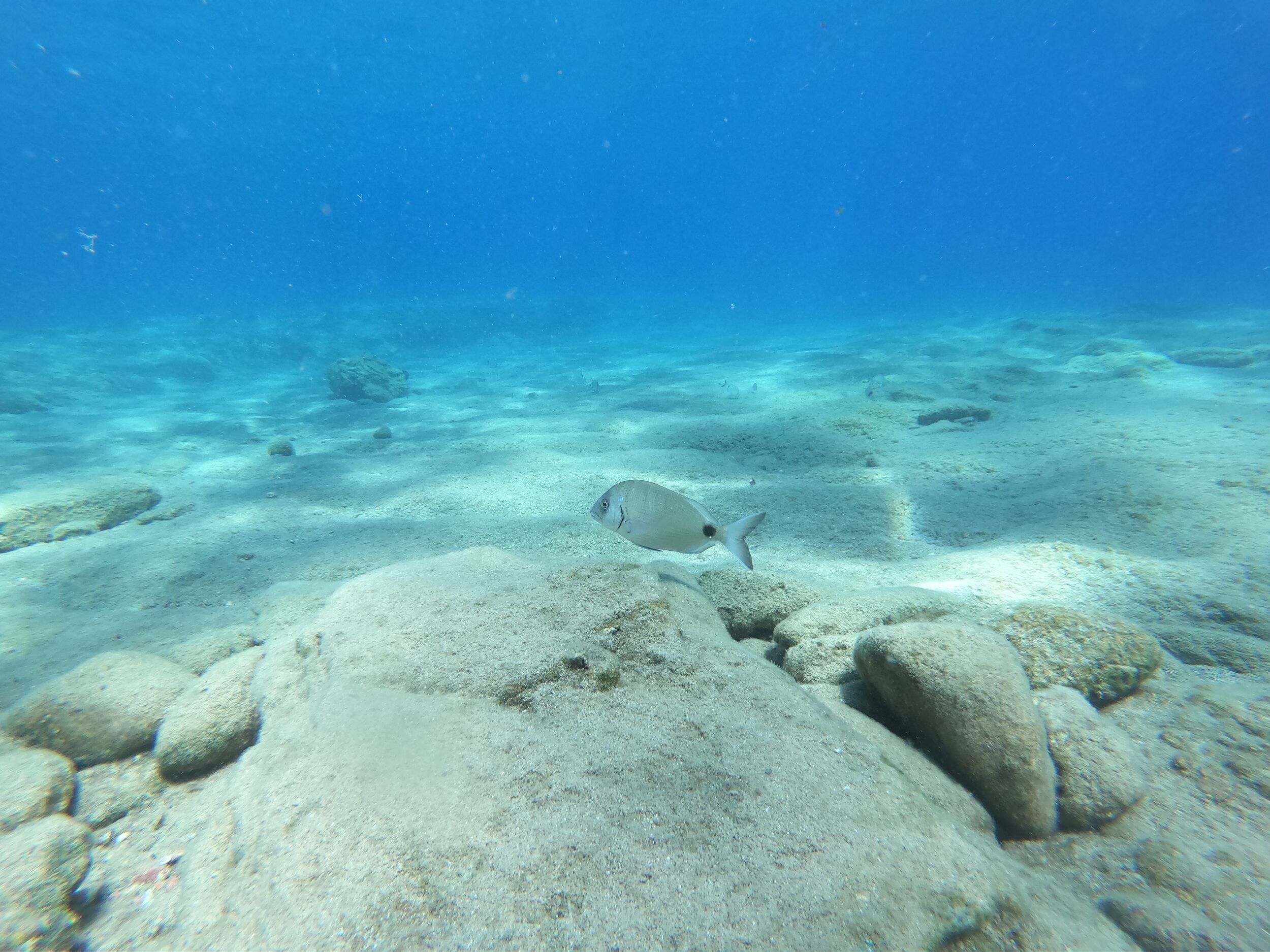
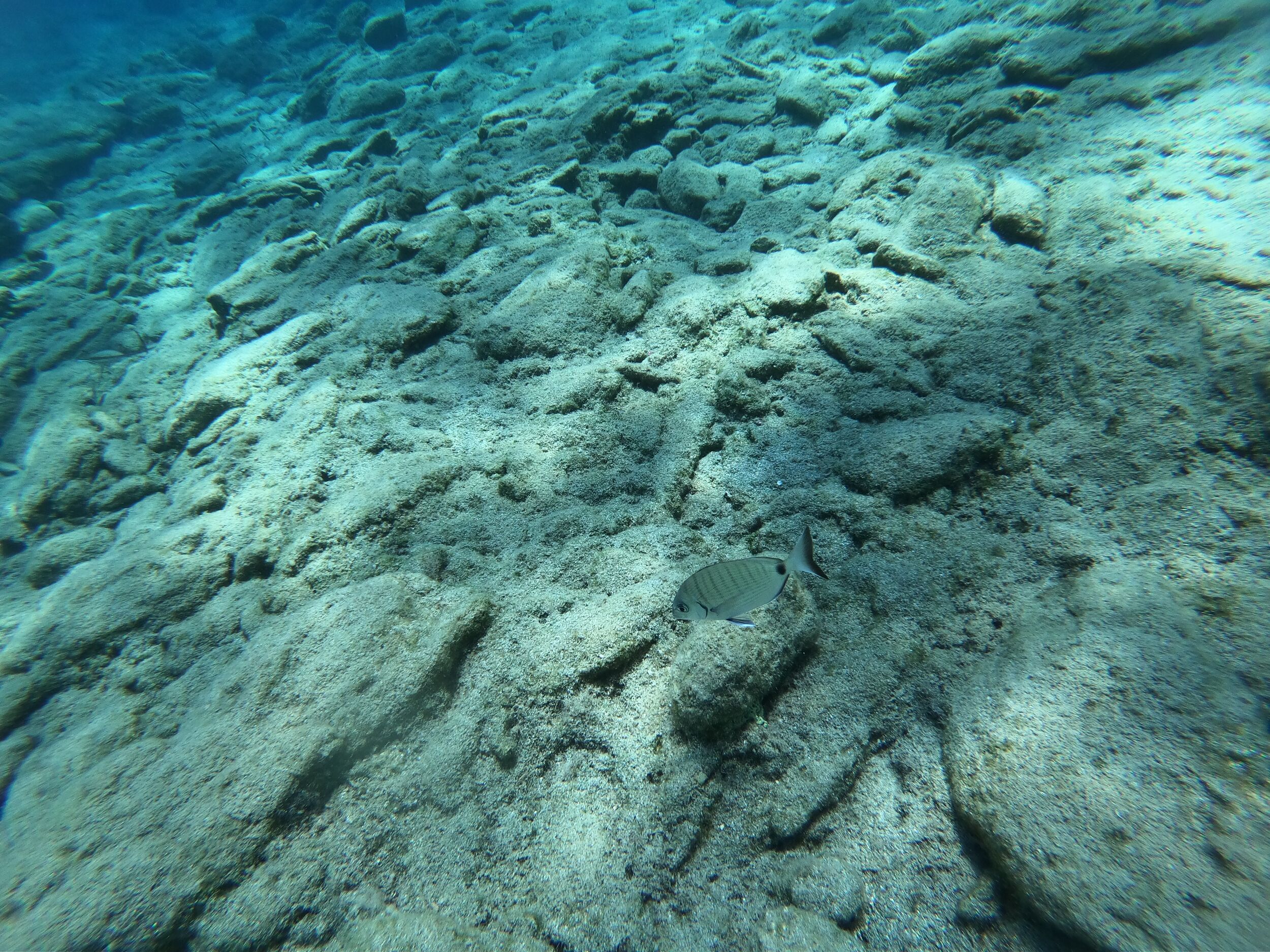
This one has some stripes, but it does not look like a stripped seabream. I think it is a Saddled seabream Still a saddled seabream Still a saddled seabream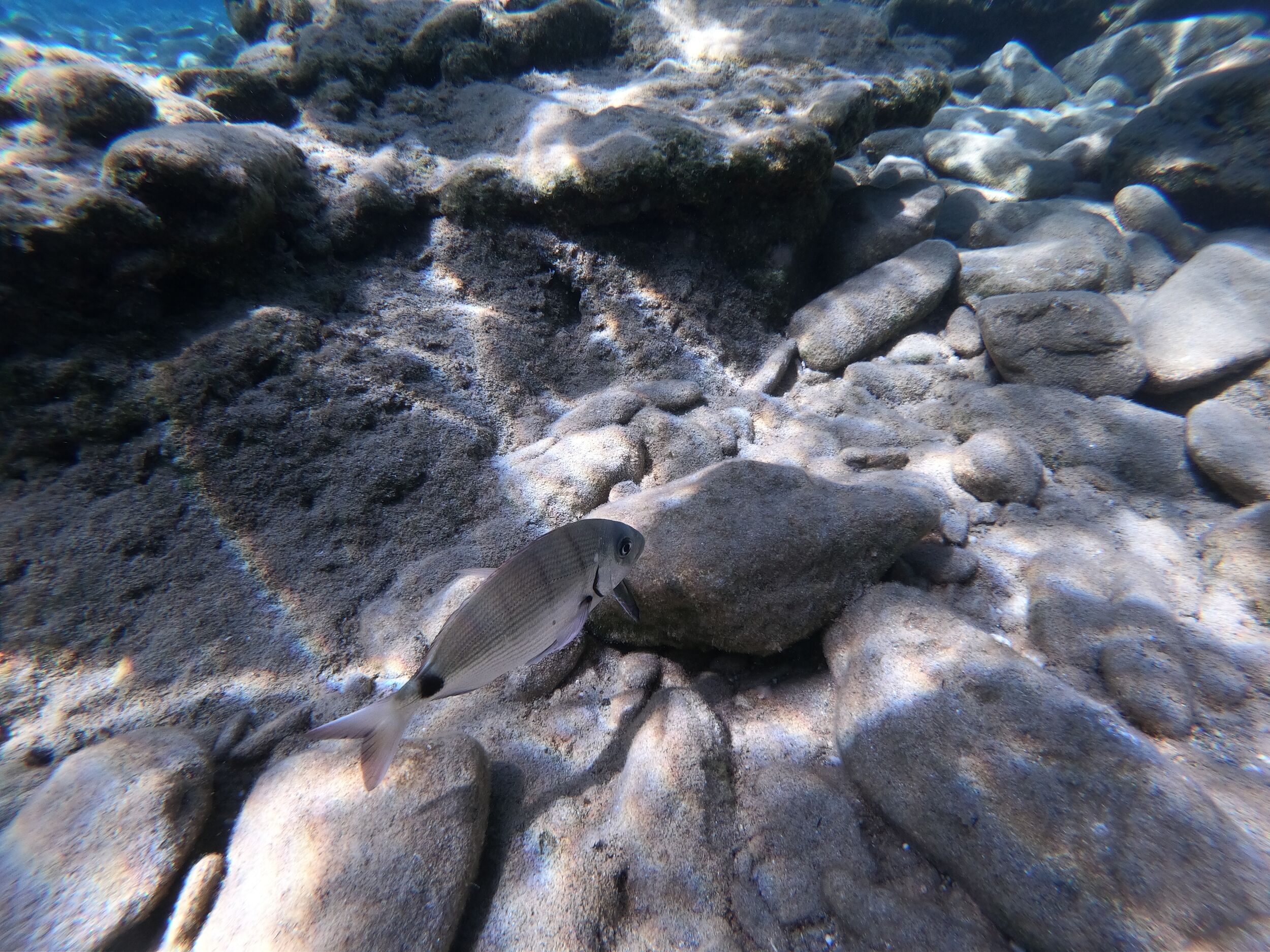
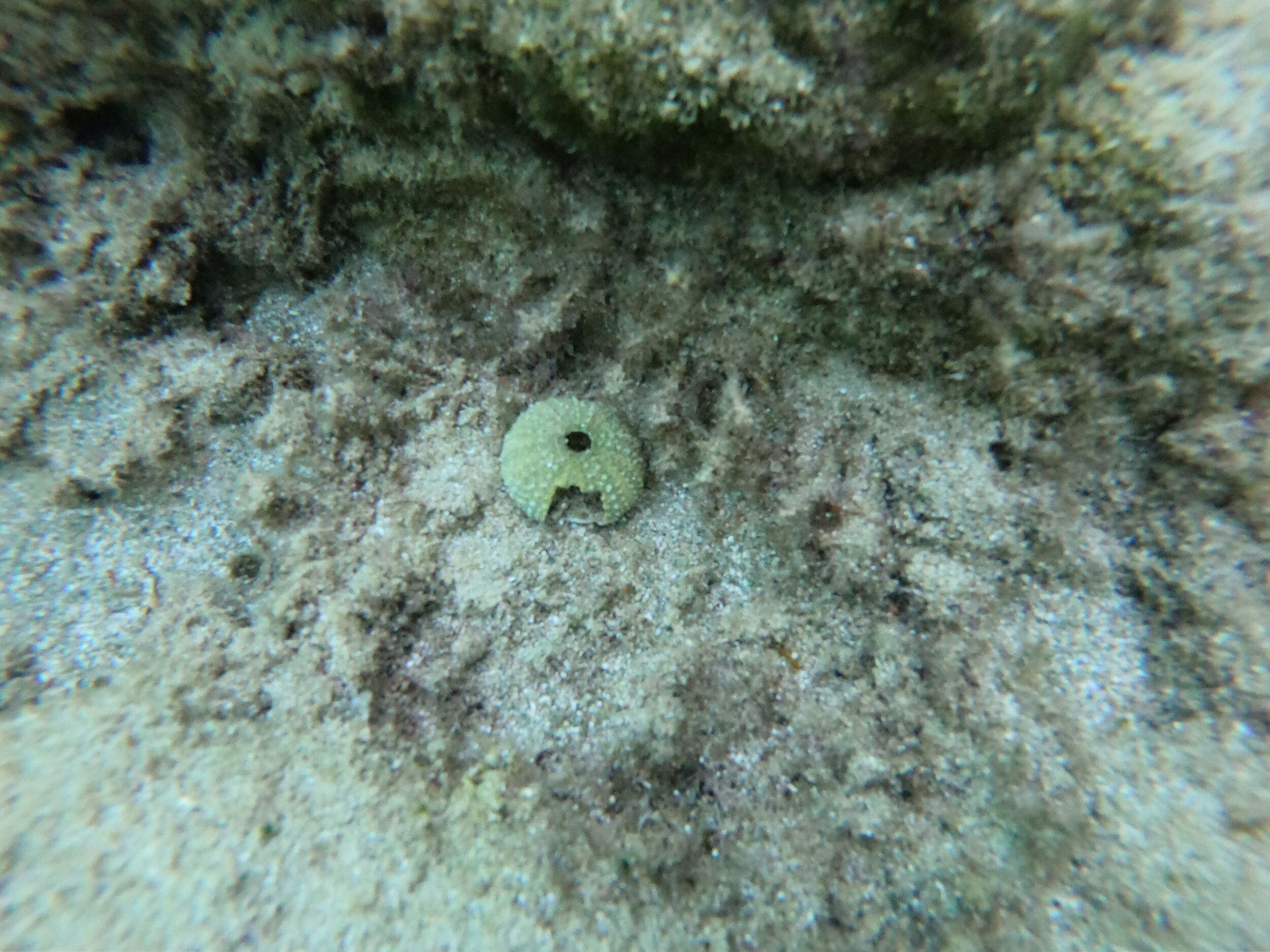
This is a black sea urchin the size of a soccer ball. This is the remaining ‘shell’ of a sea urchin - that hole is its mouth.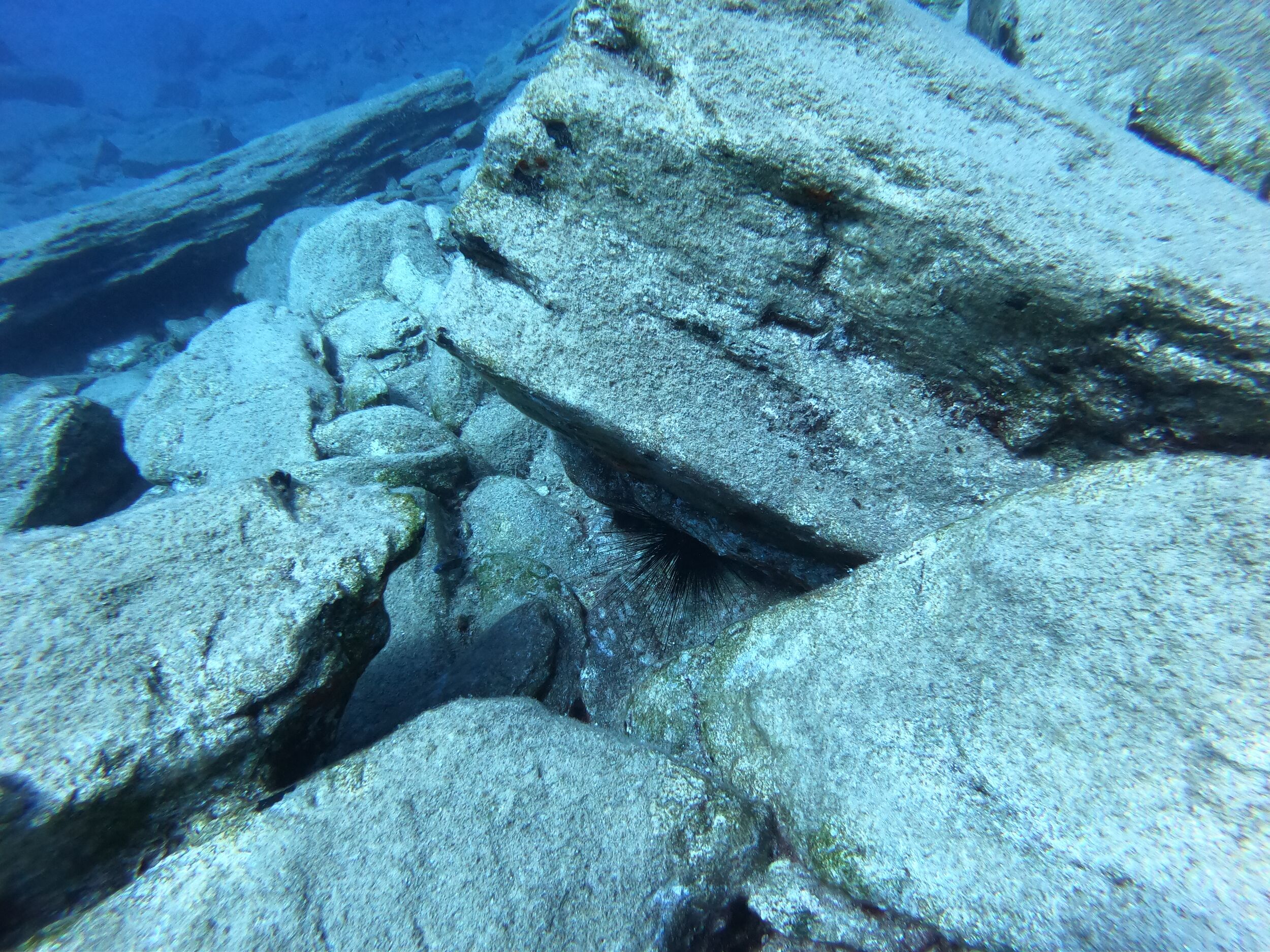
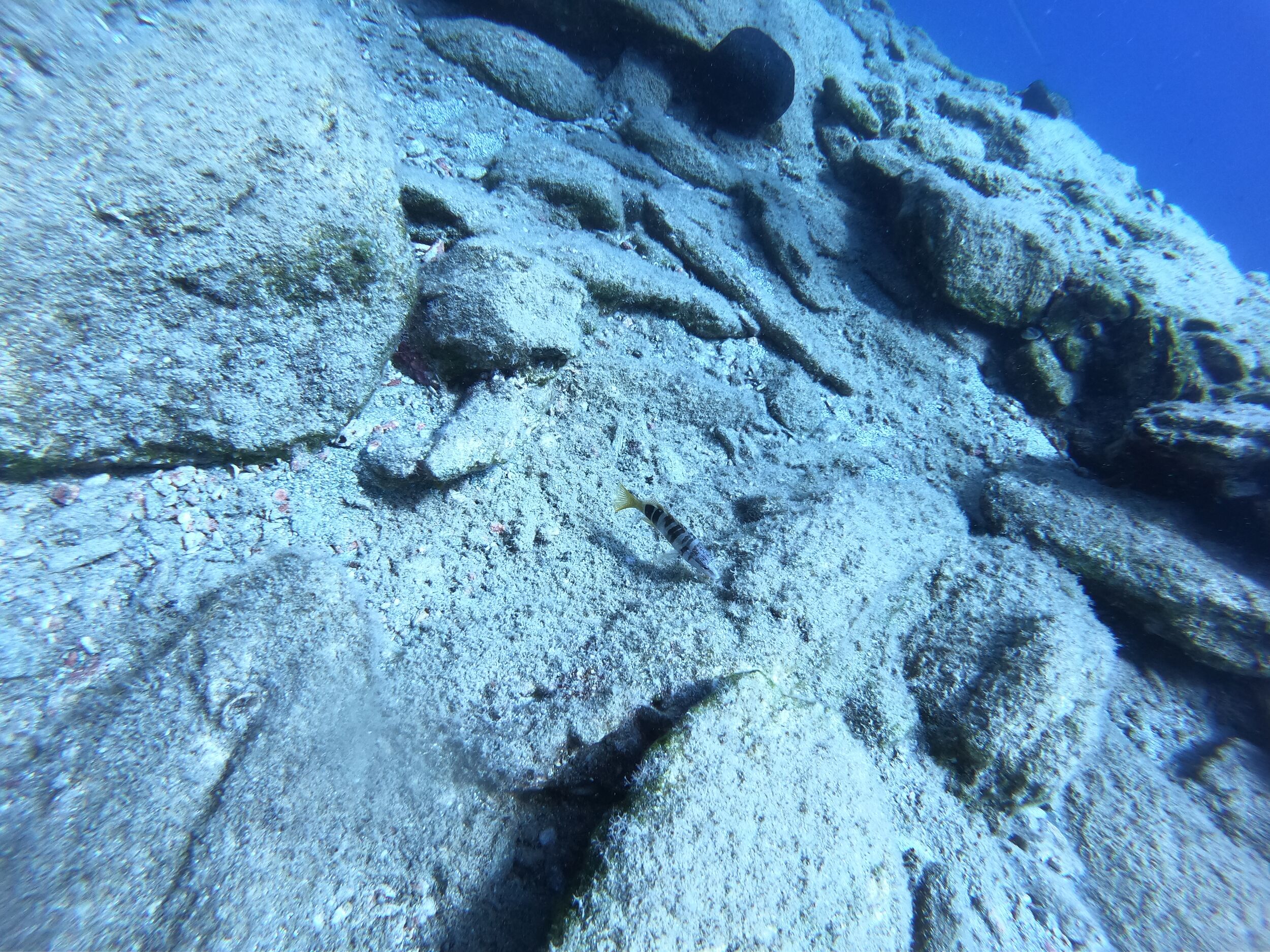
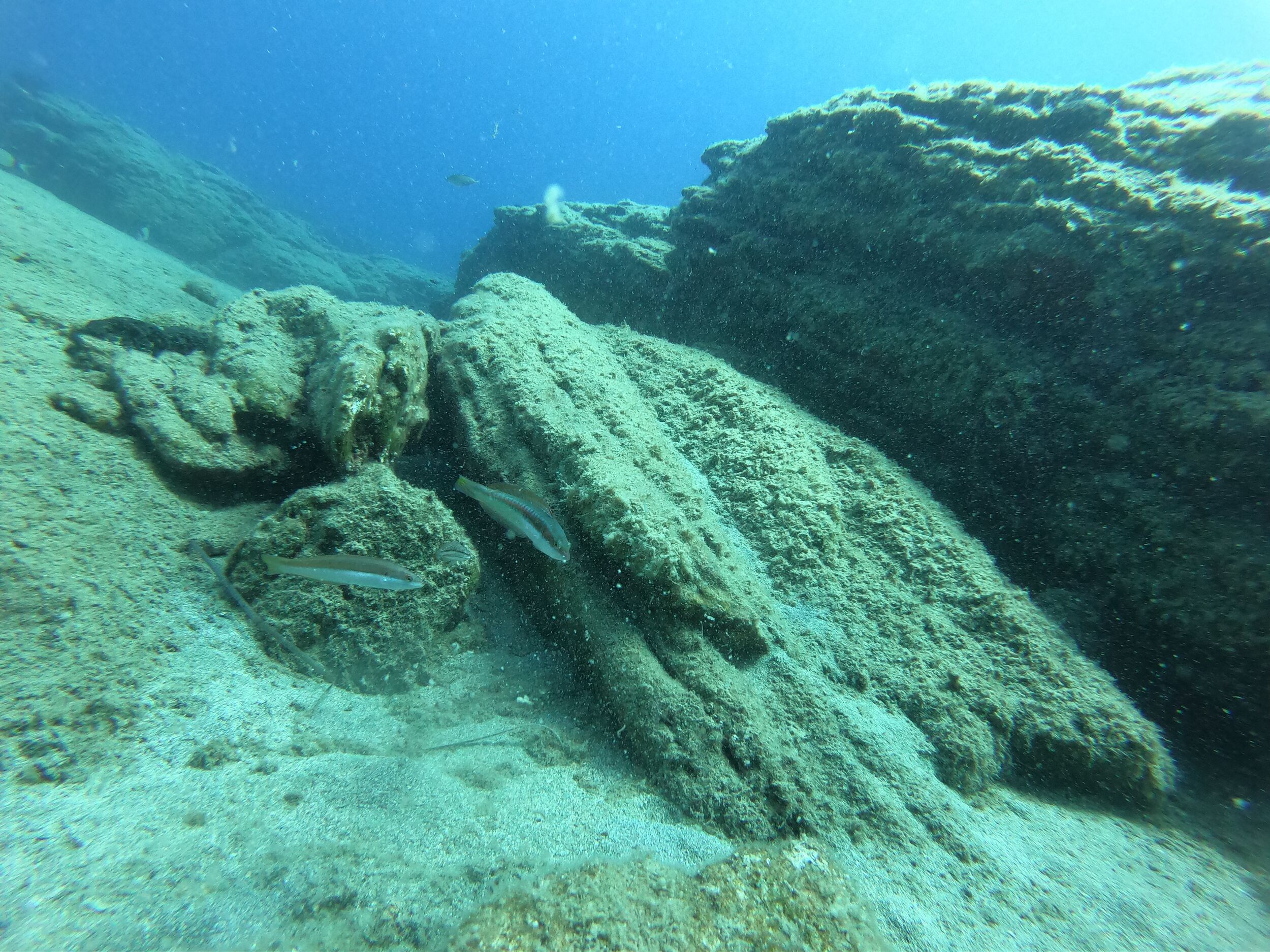
A beautiful painted comber.
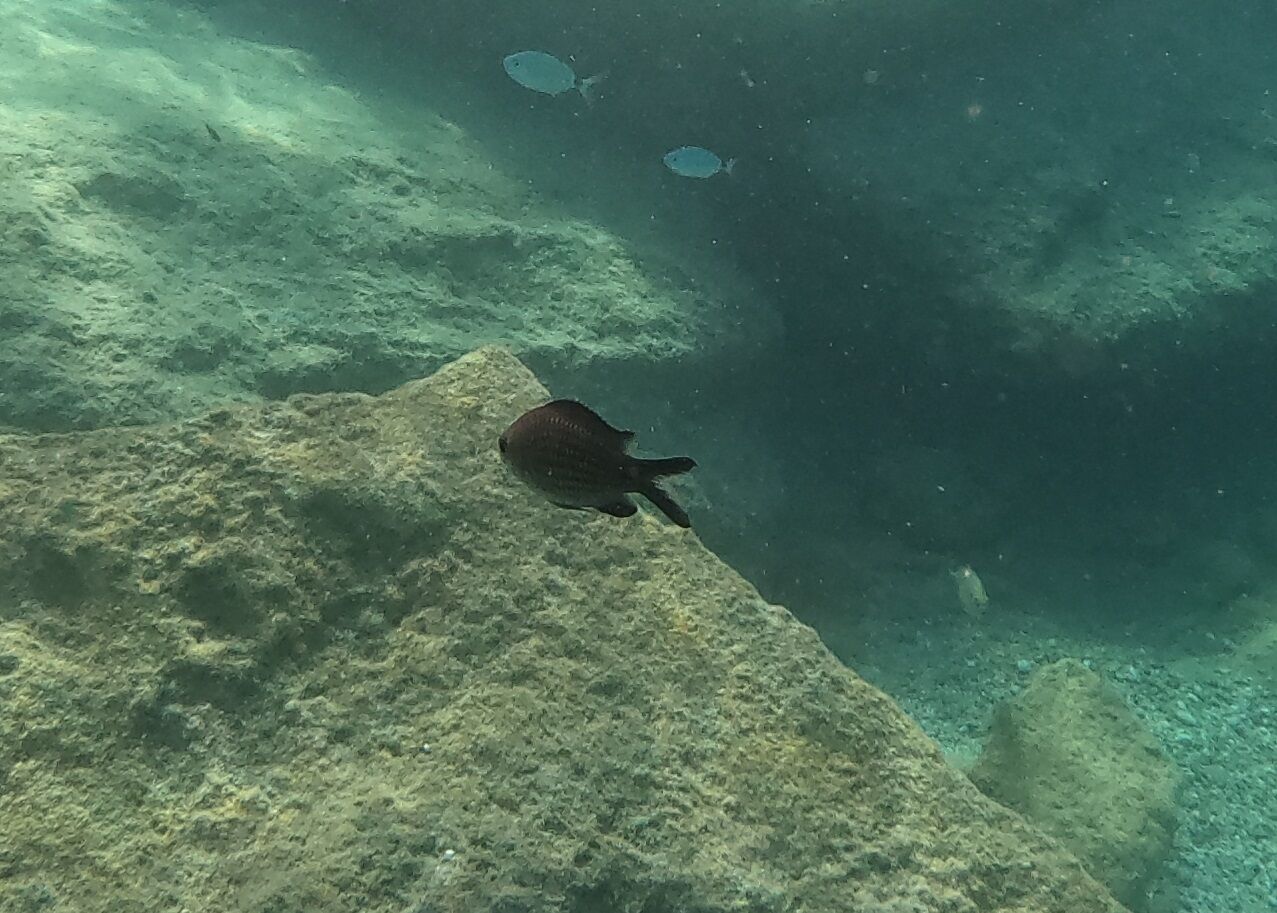
A small damselfish. These guys live in big groups.
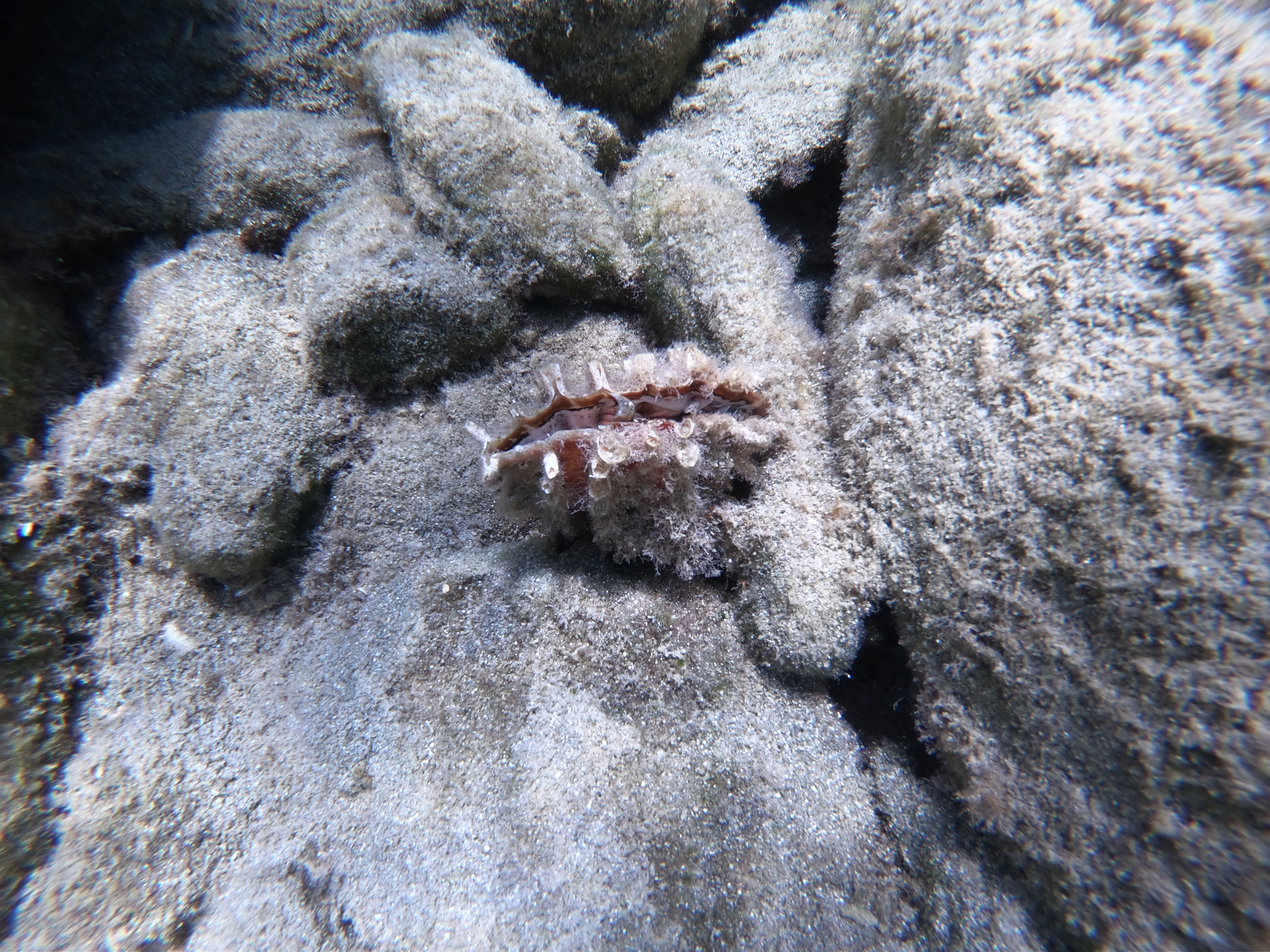
A typical oyster.
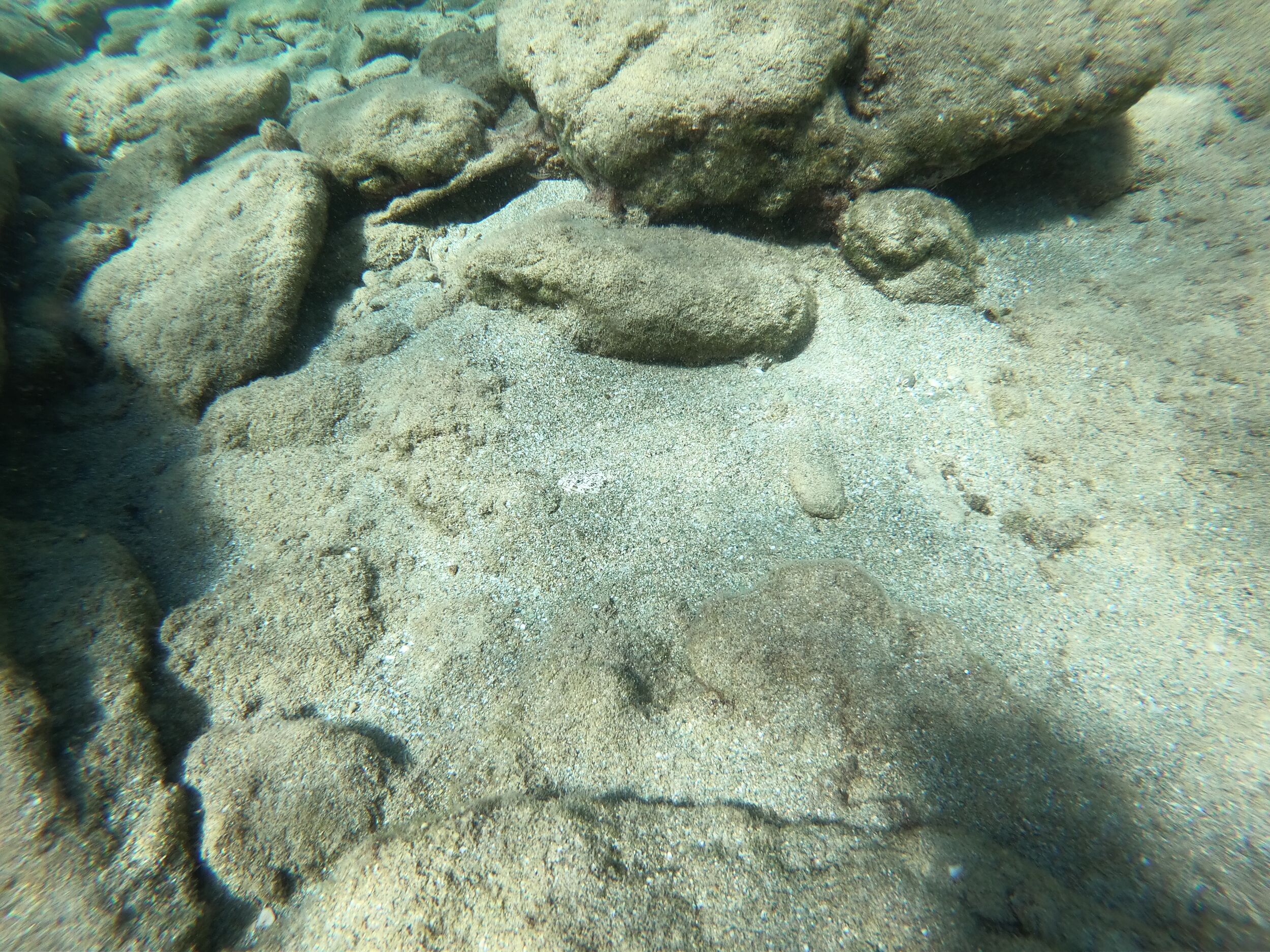
You almost cannot see the flounder! Try to find it - I will reveal it on the next photo. Sneaky fish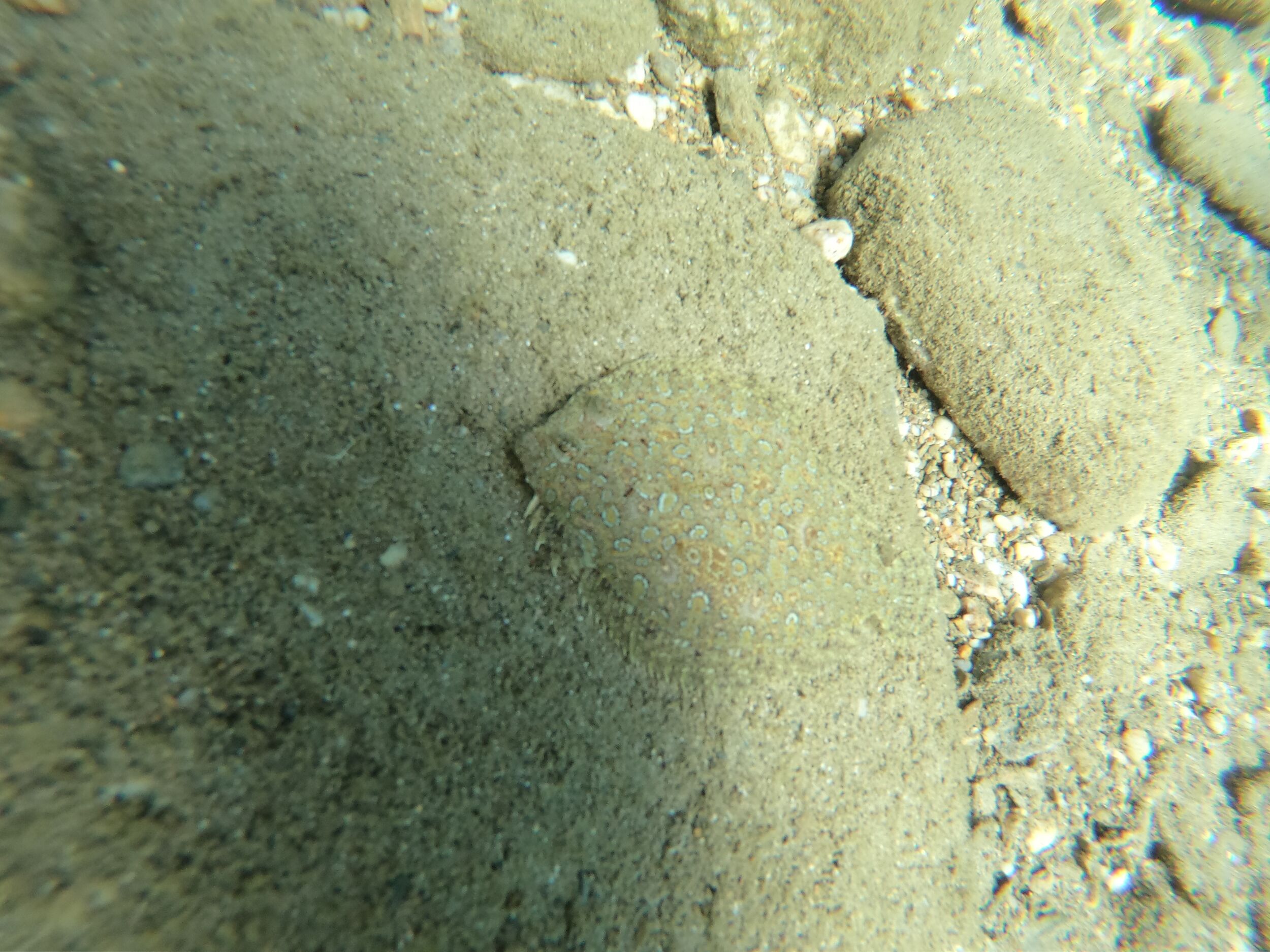
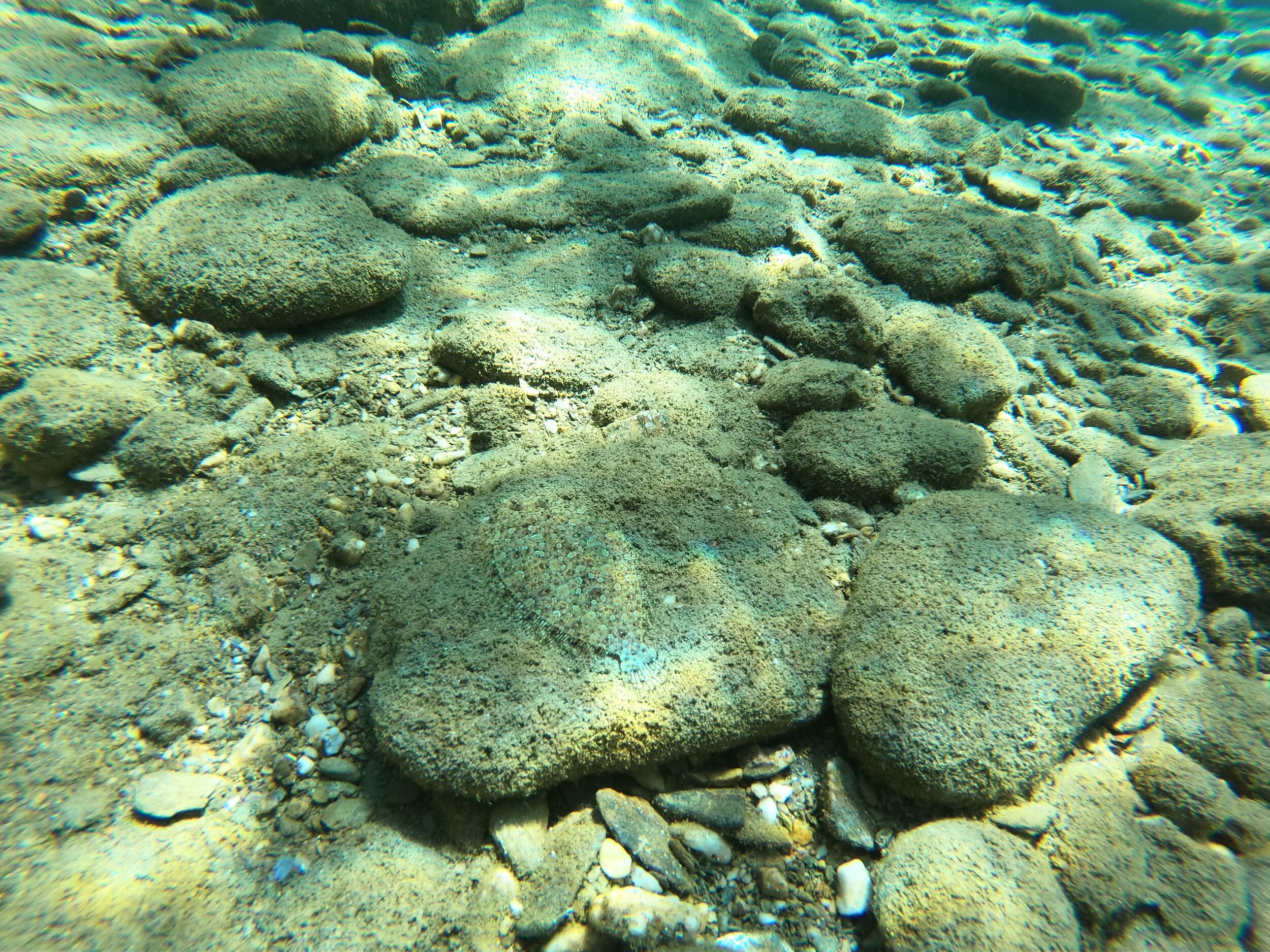
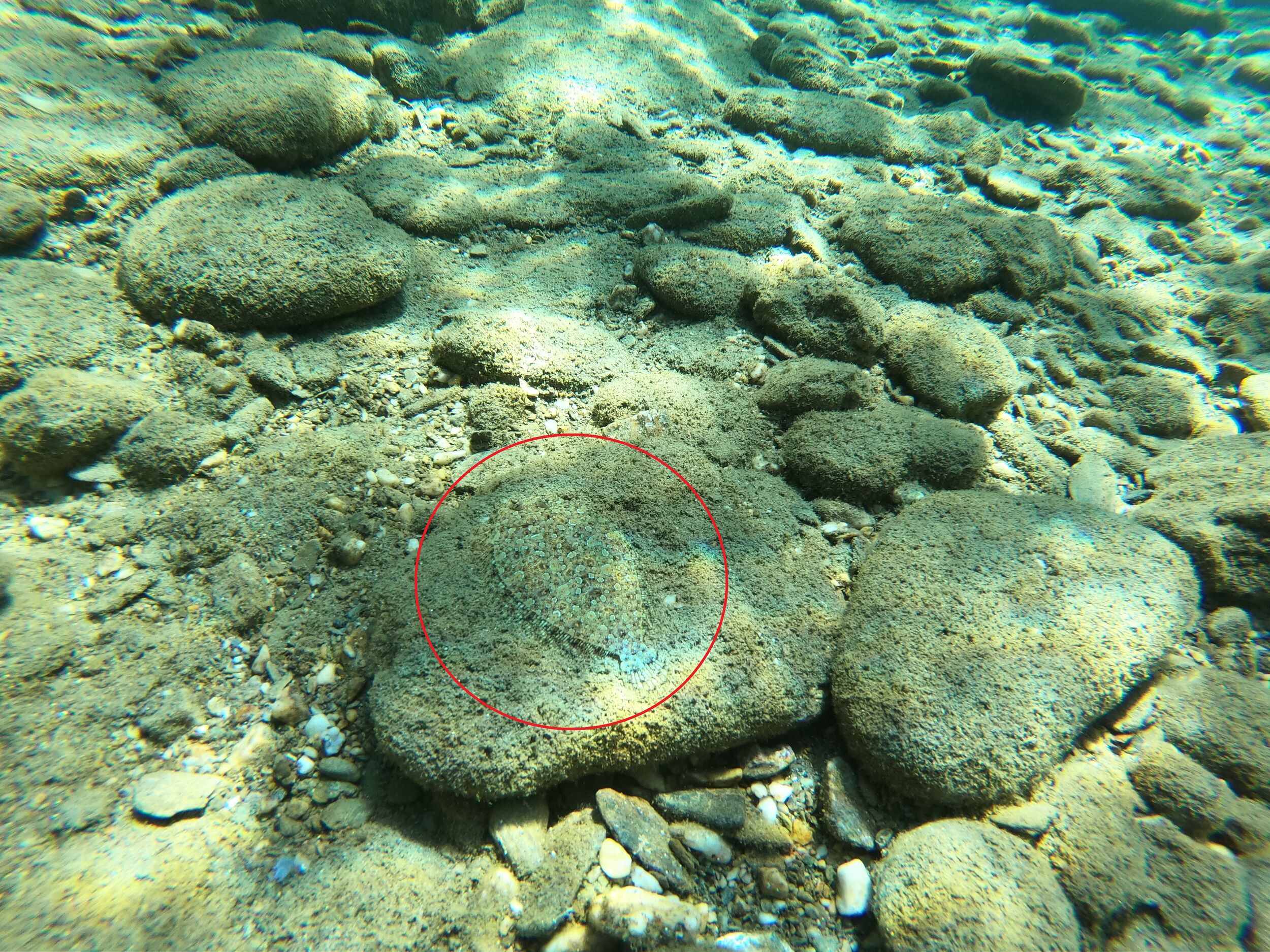
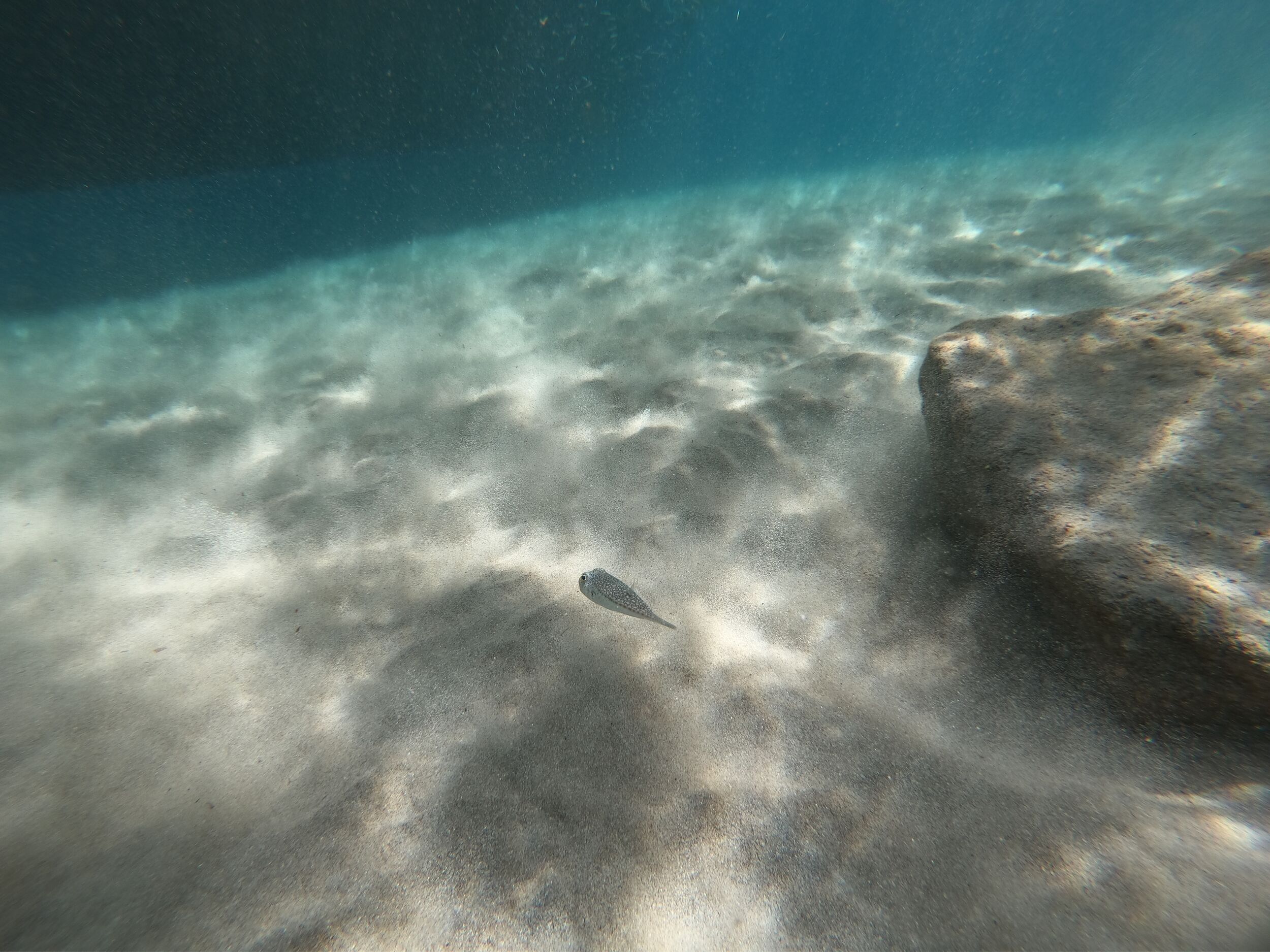
A single pufferfish
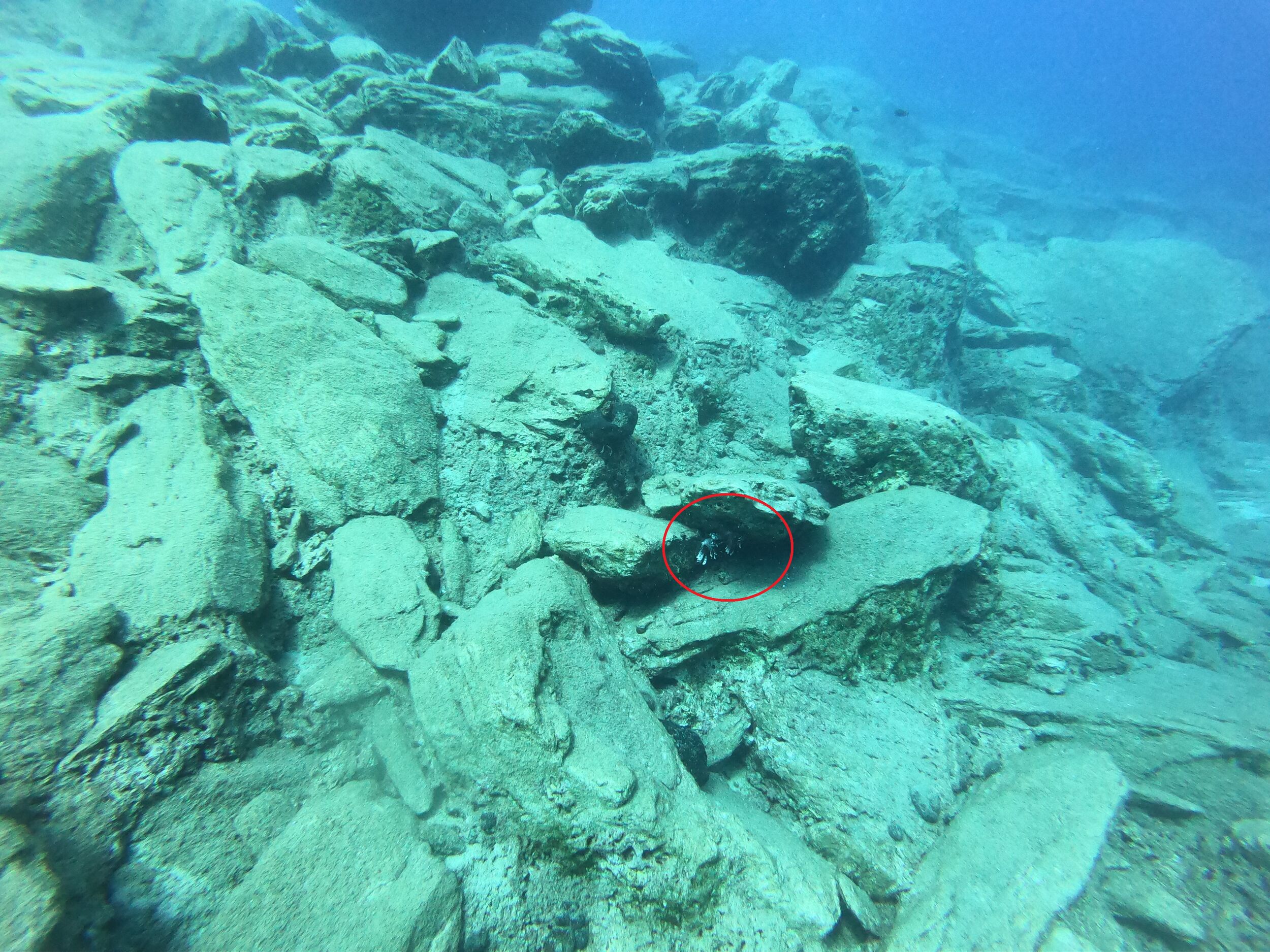
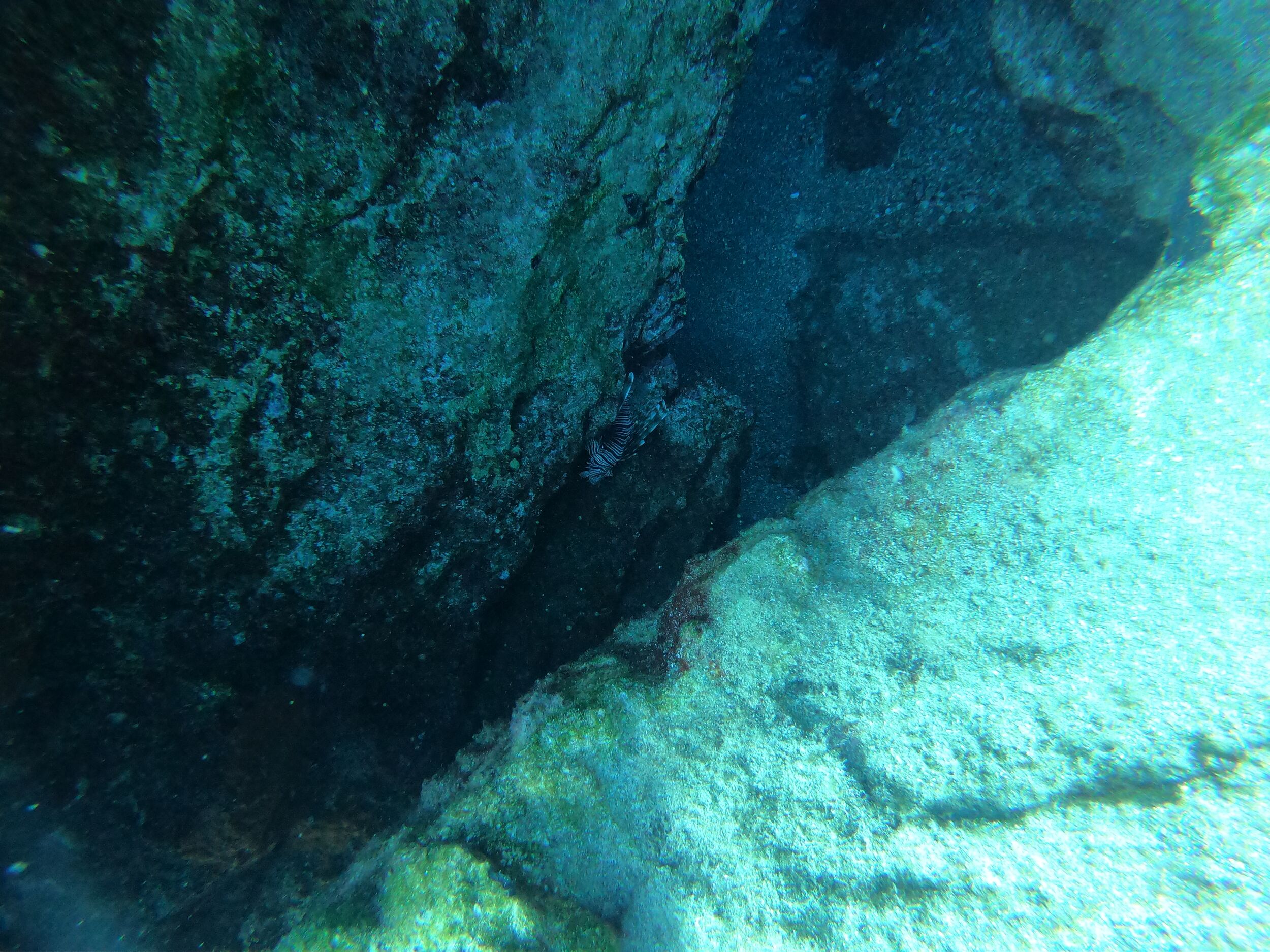
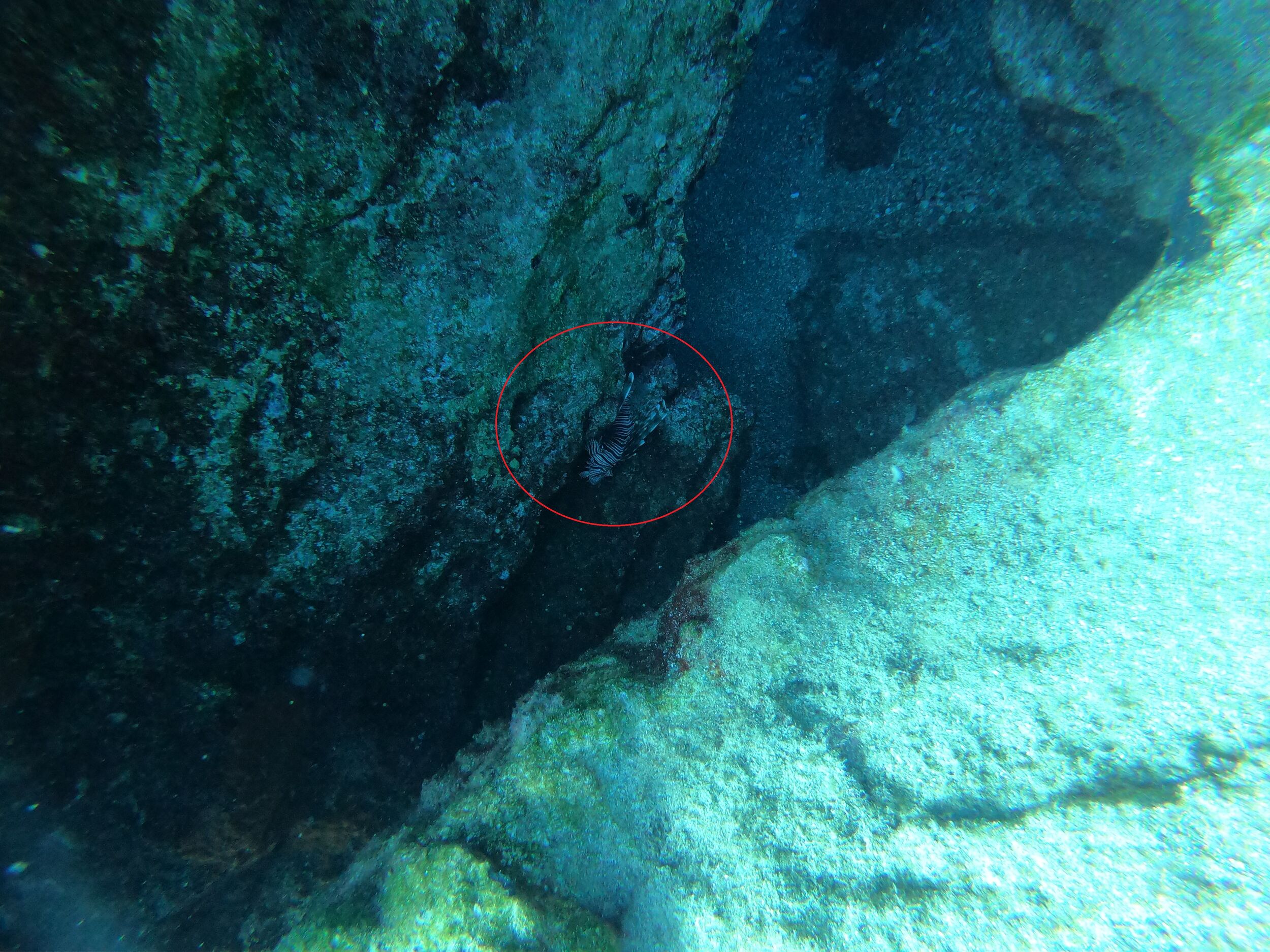
Lionfish - an invasive species. Very deadly if it stings you.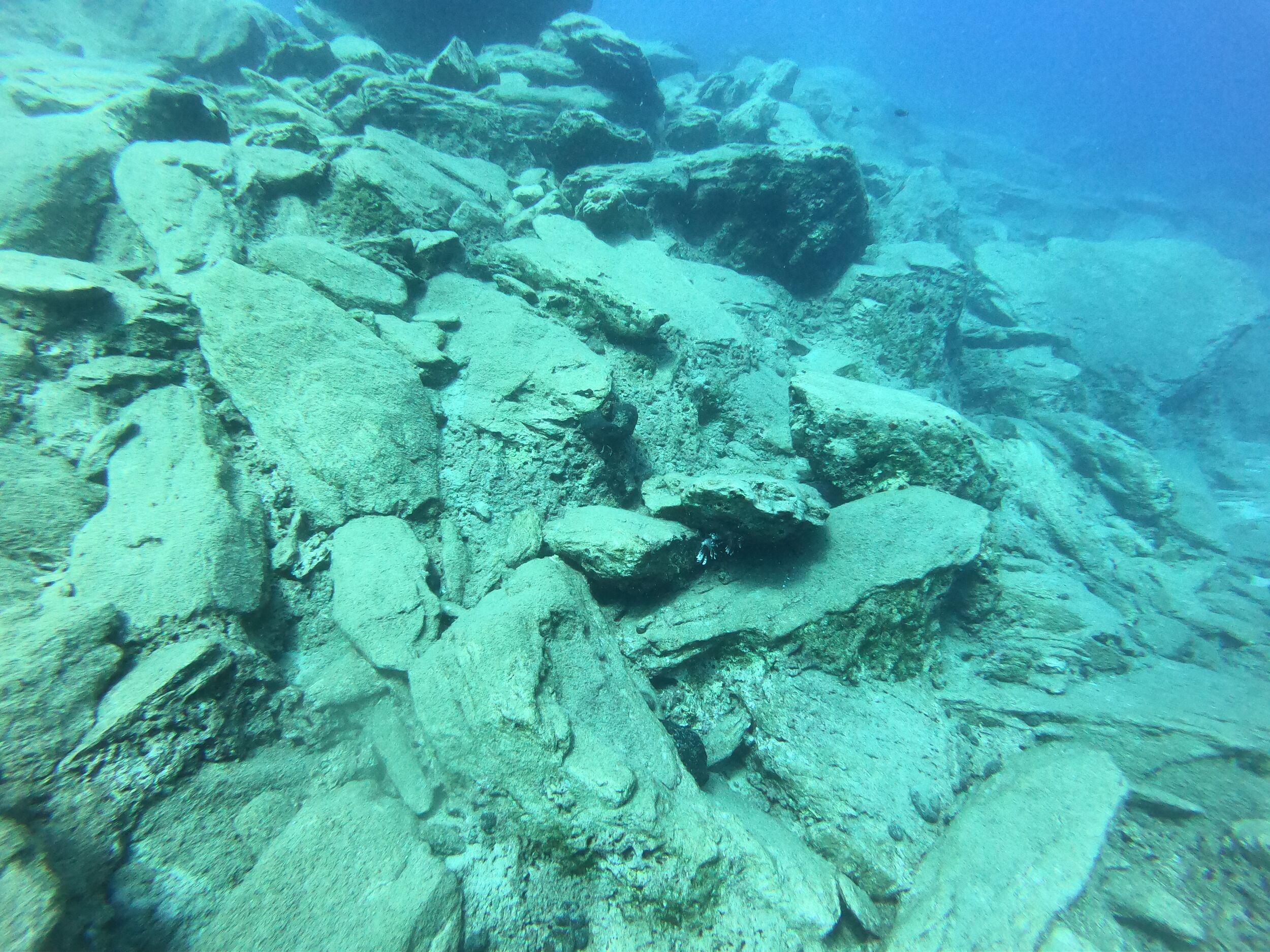
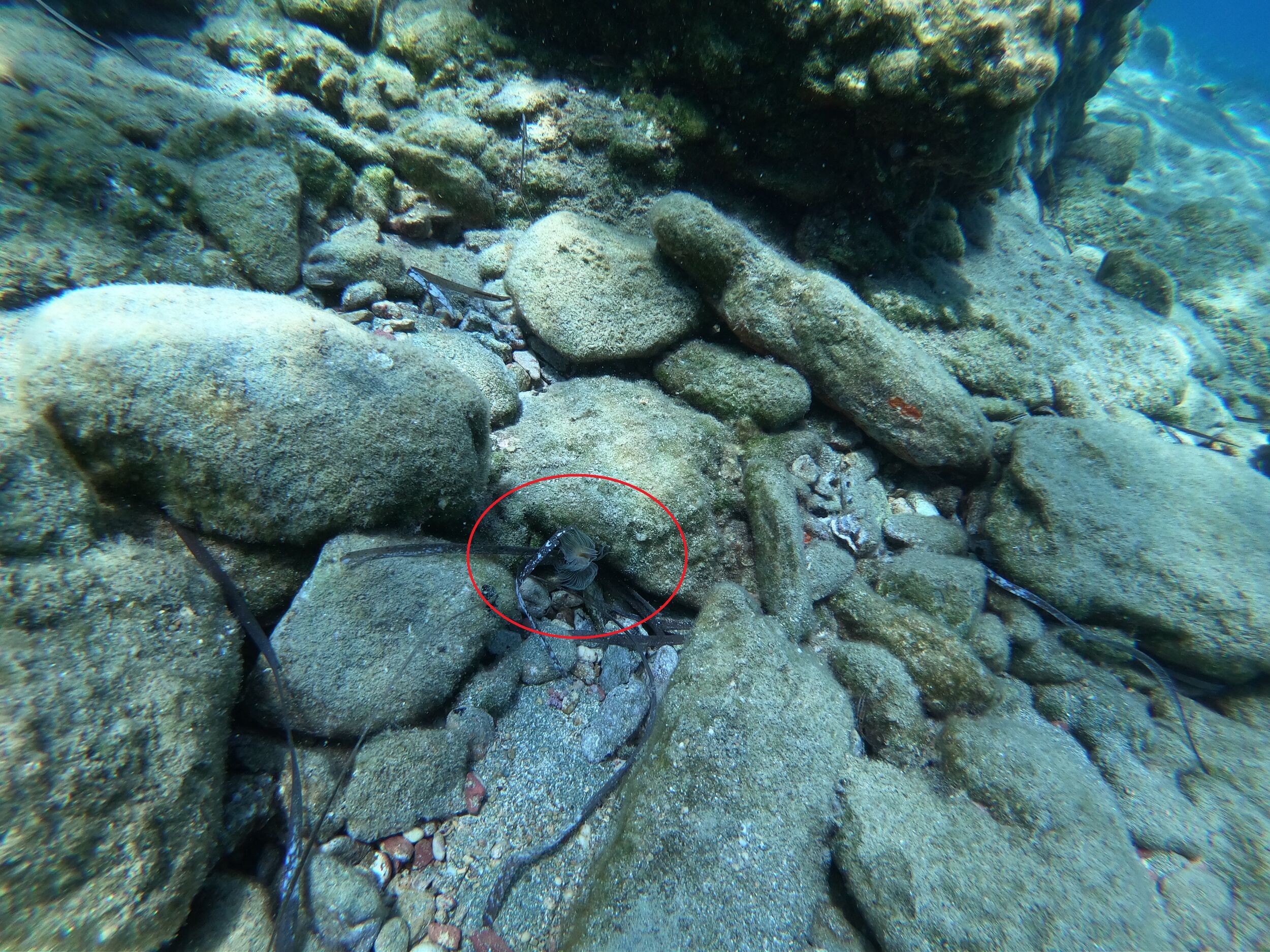
This is an sea anemone - an underwater animal (not a plant!)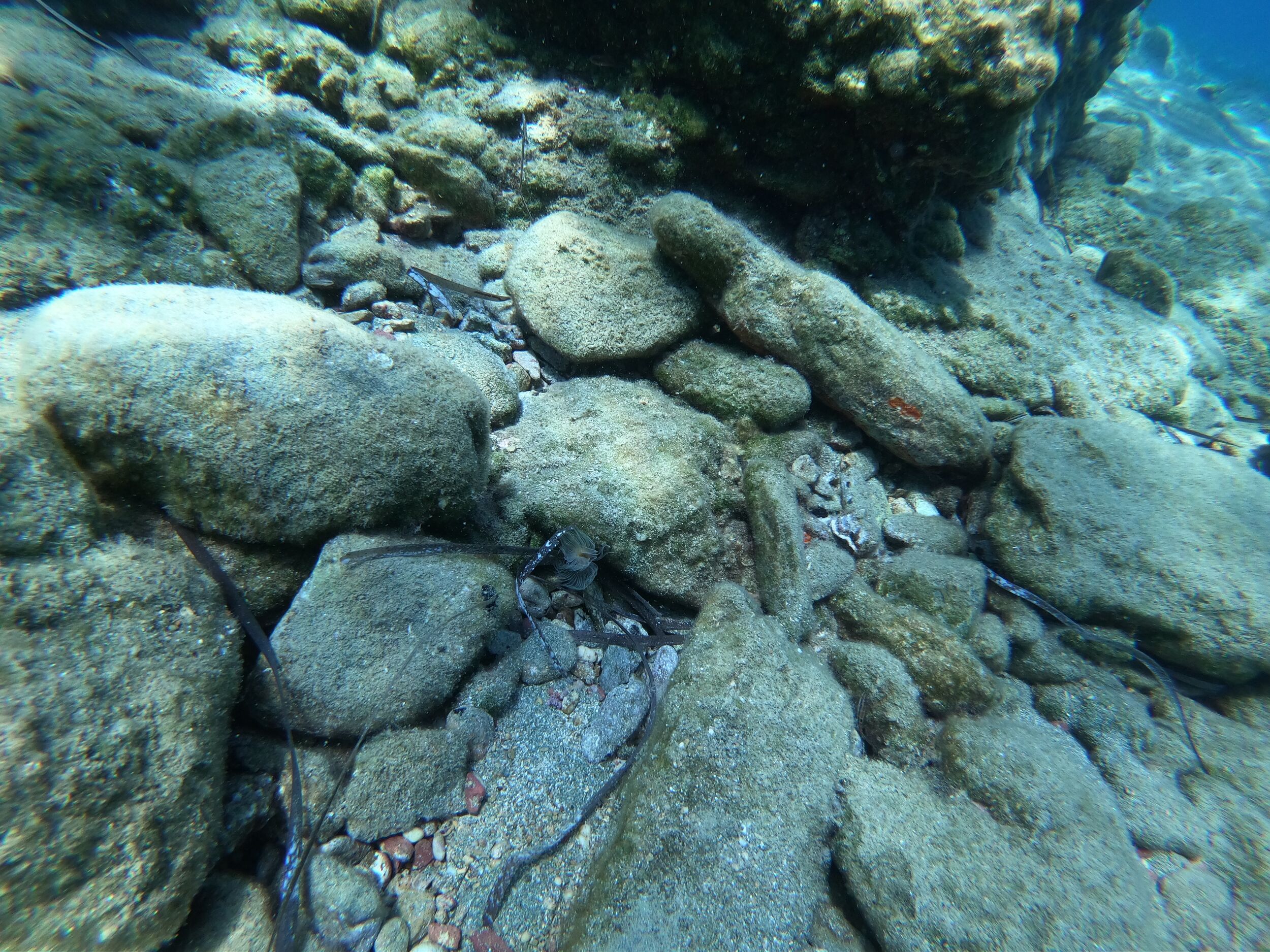
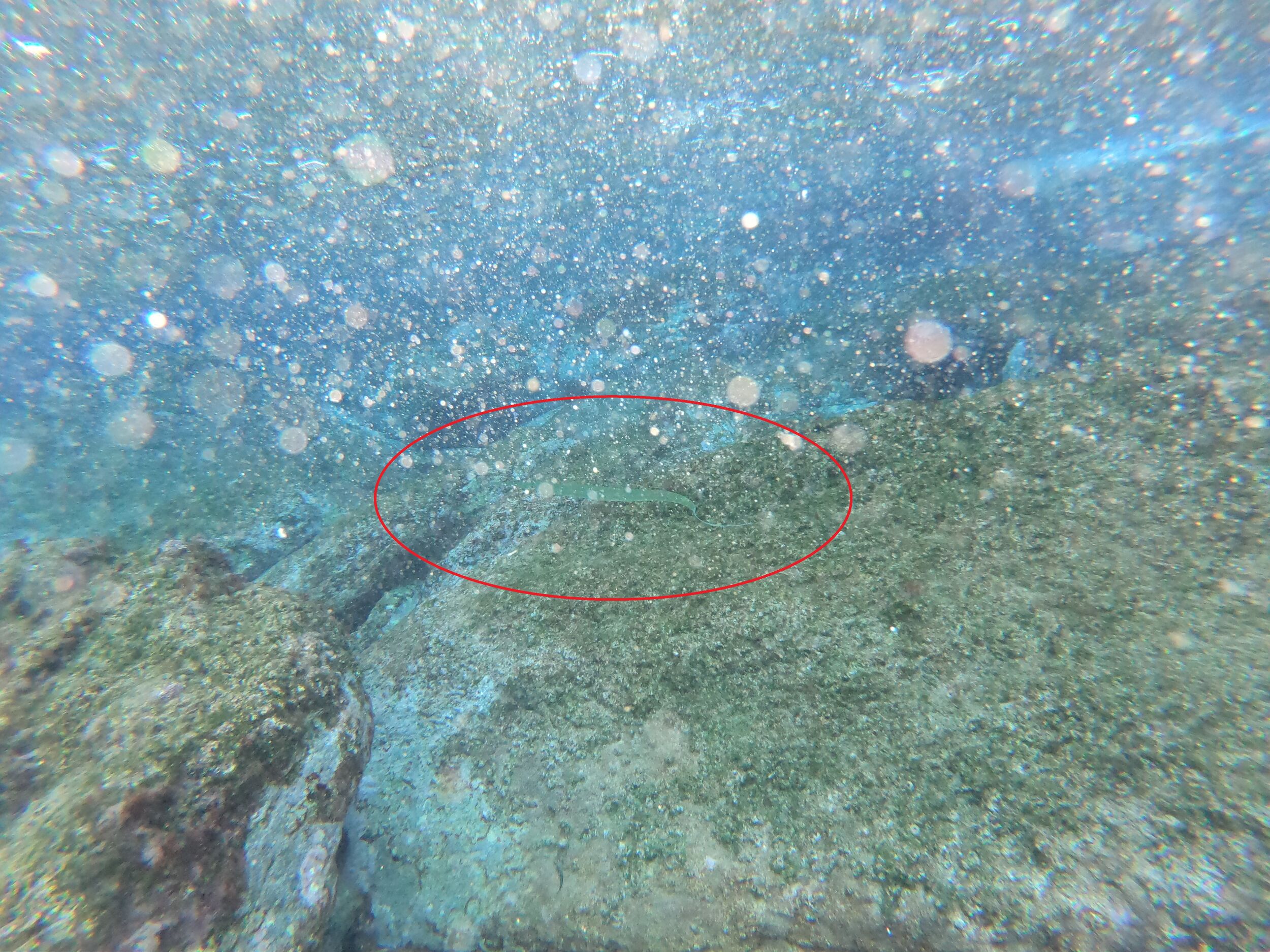
My favorite find - the flute fish! They are very hard to see underwater if you don’t know what you’re looking for They also swim in groups.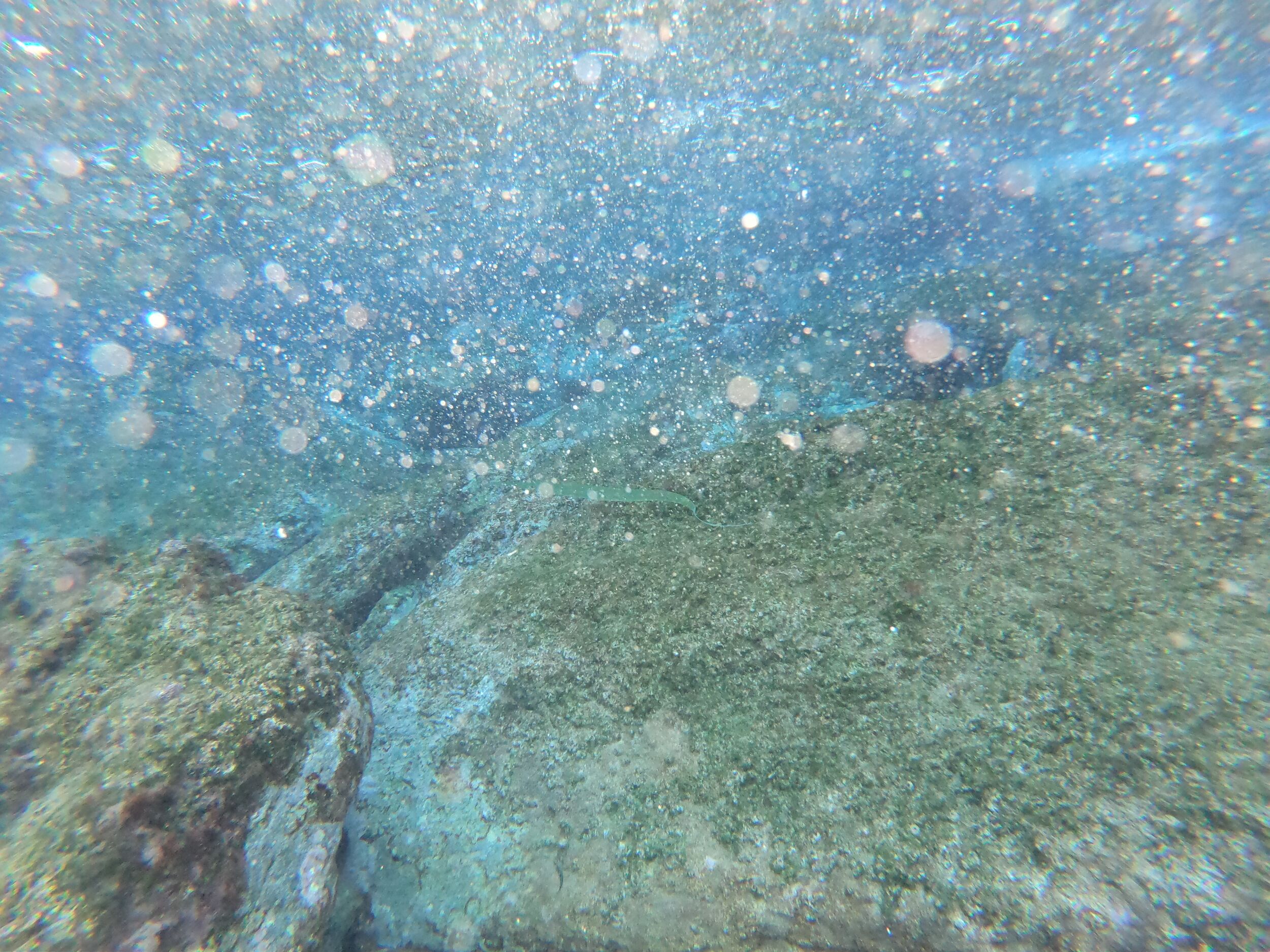
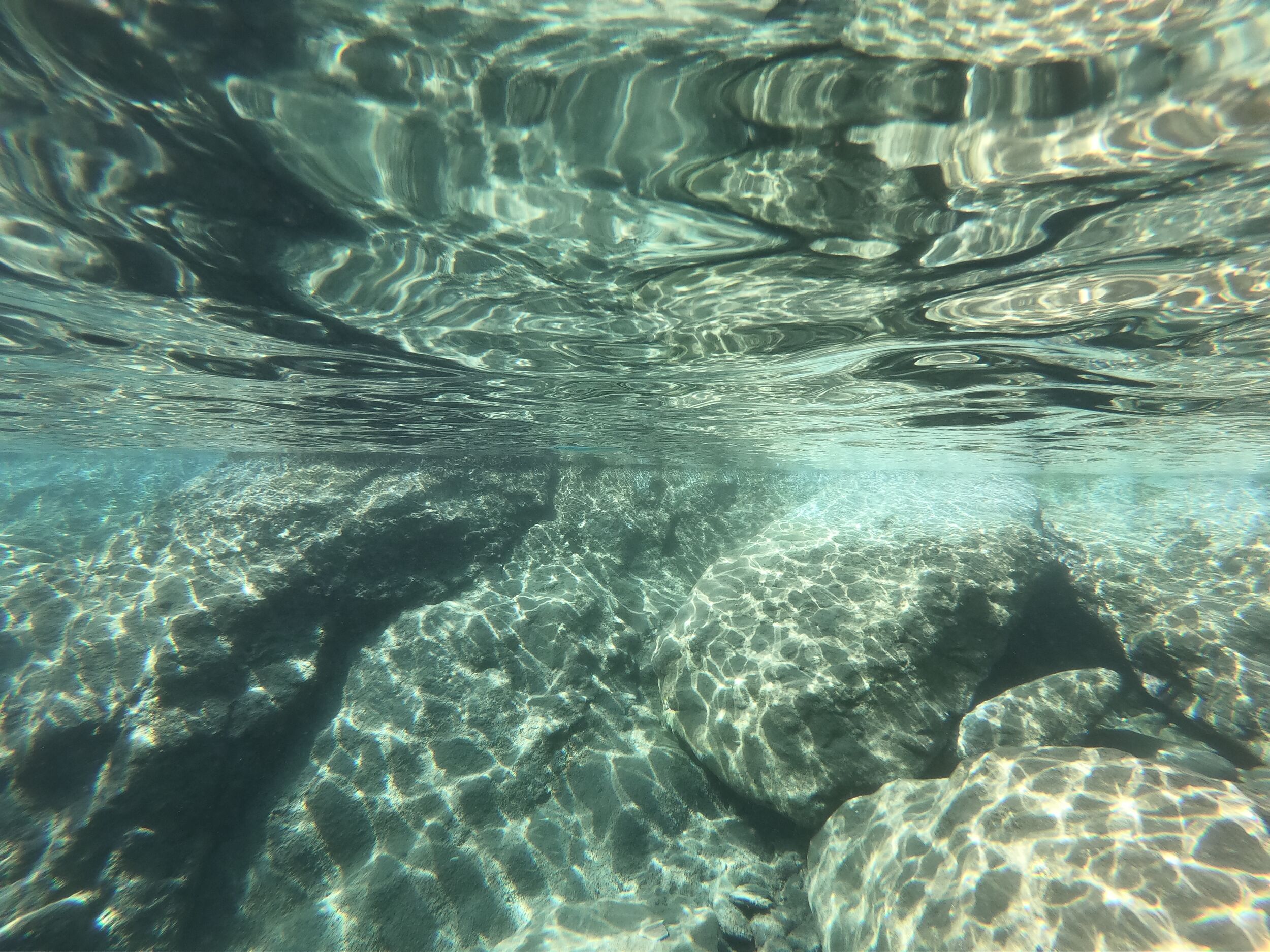
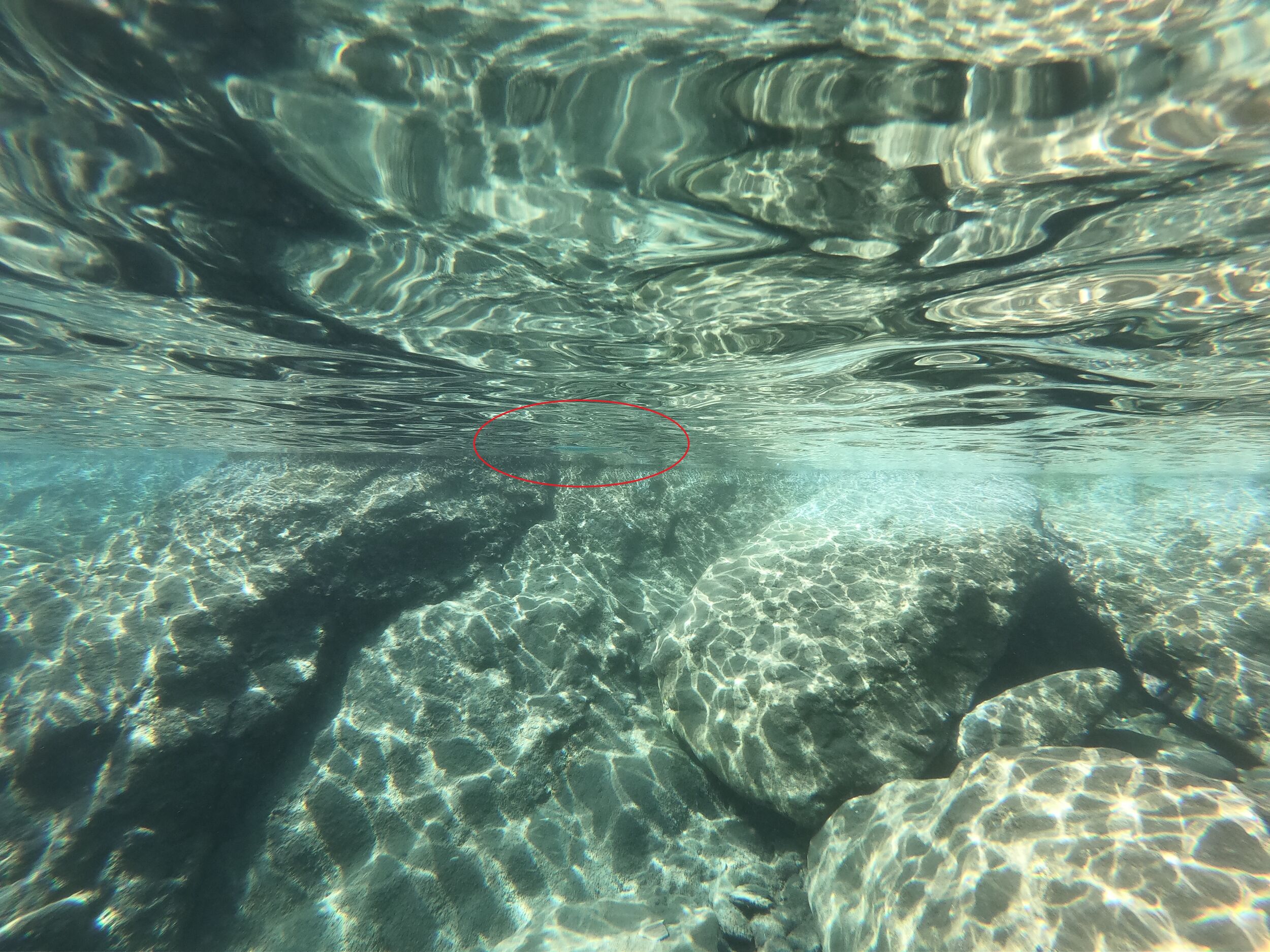
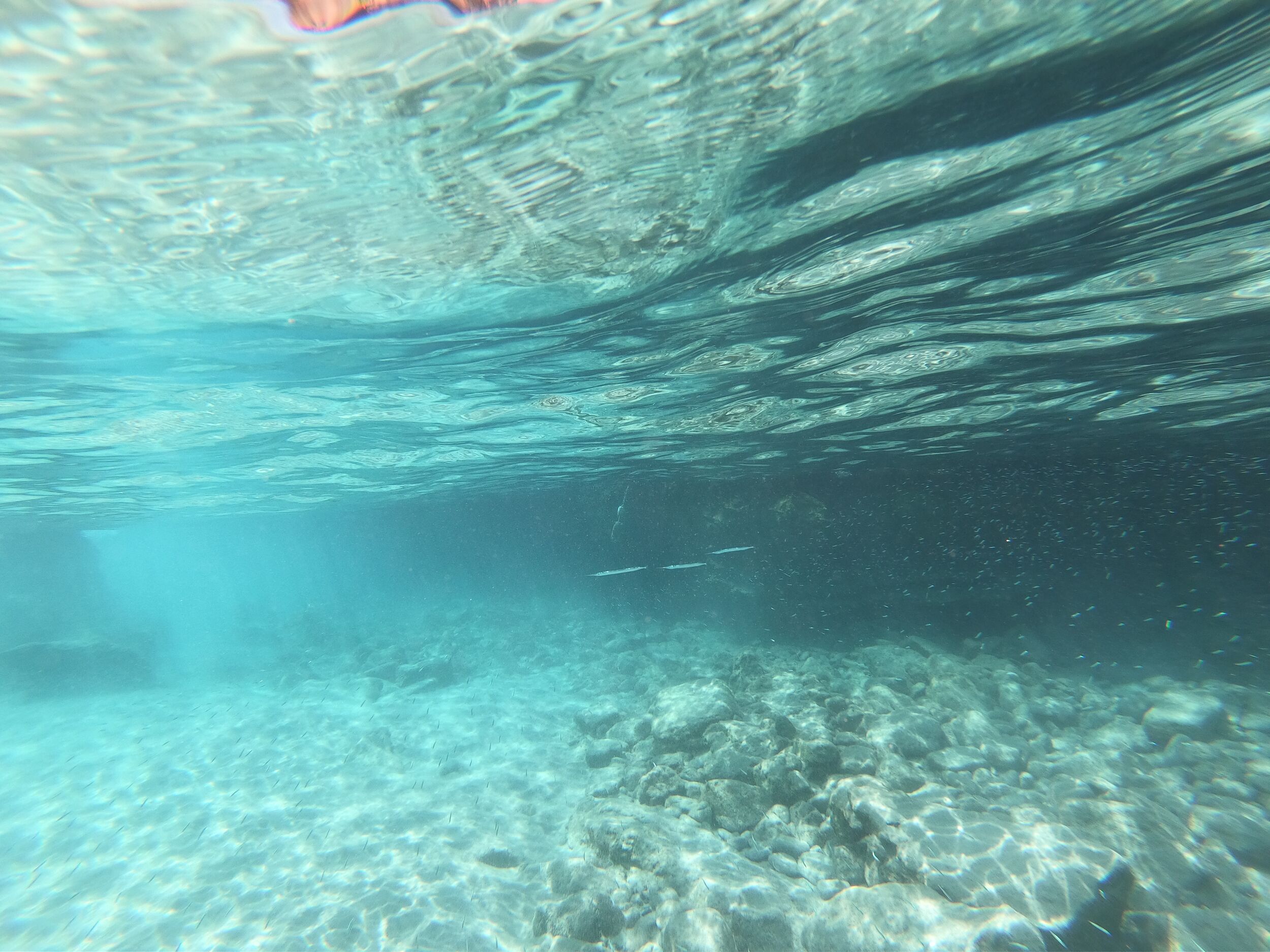
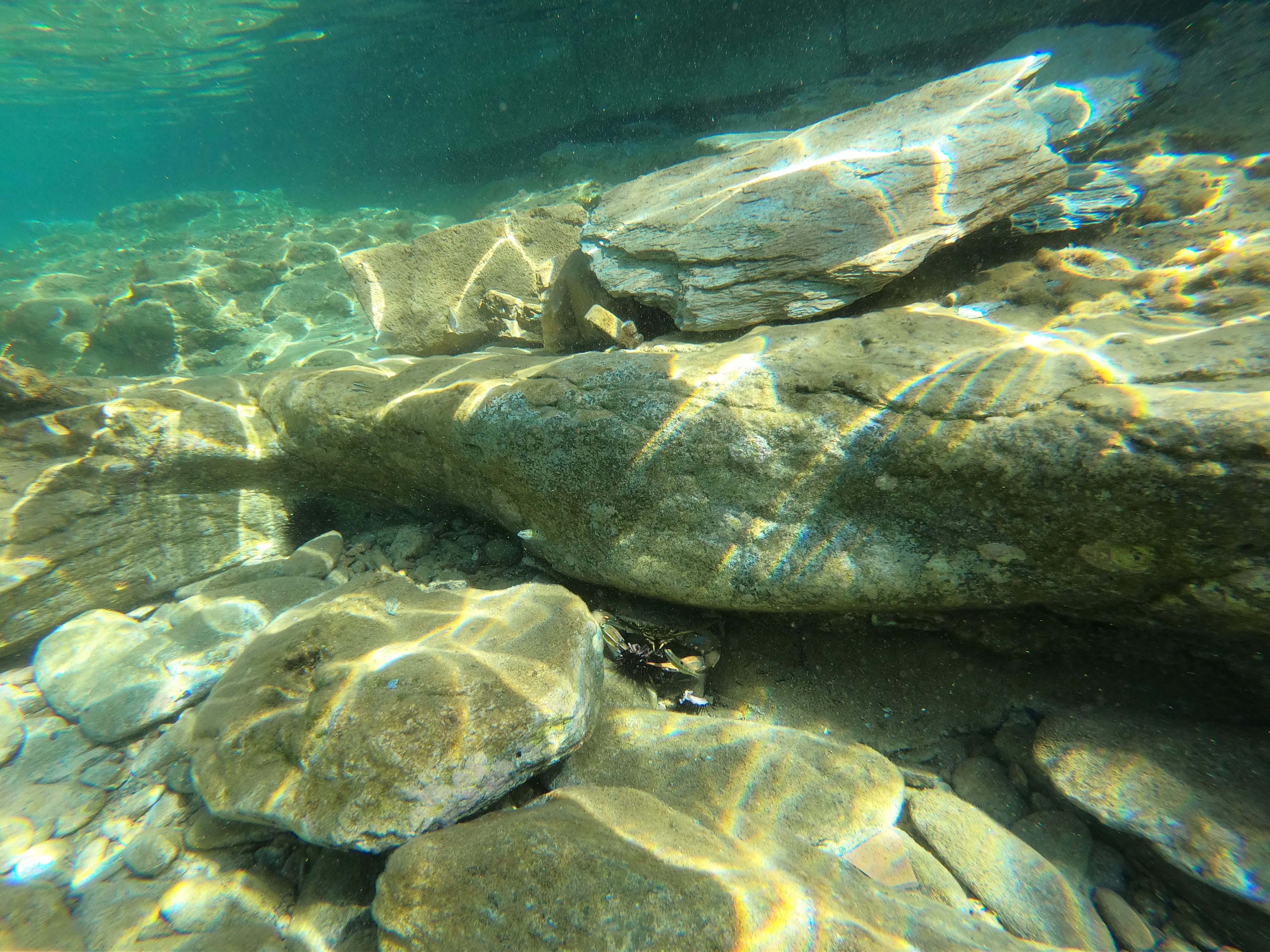
I’ve caught this crab with my hand - it was very small. This one was enormous - it was eating a sea urchin and other fish tried to steal his food.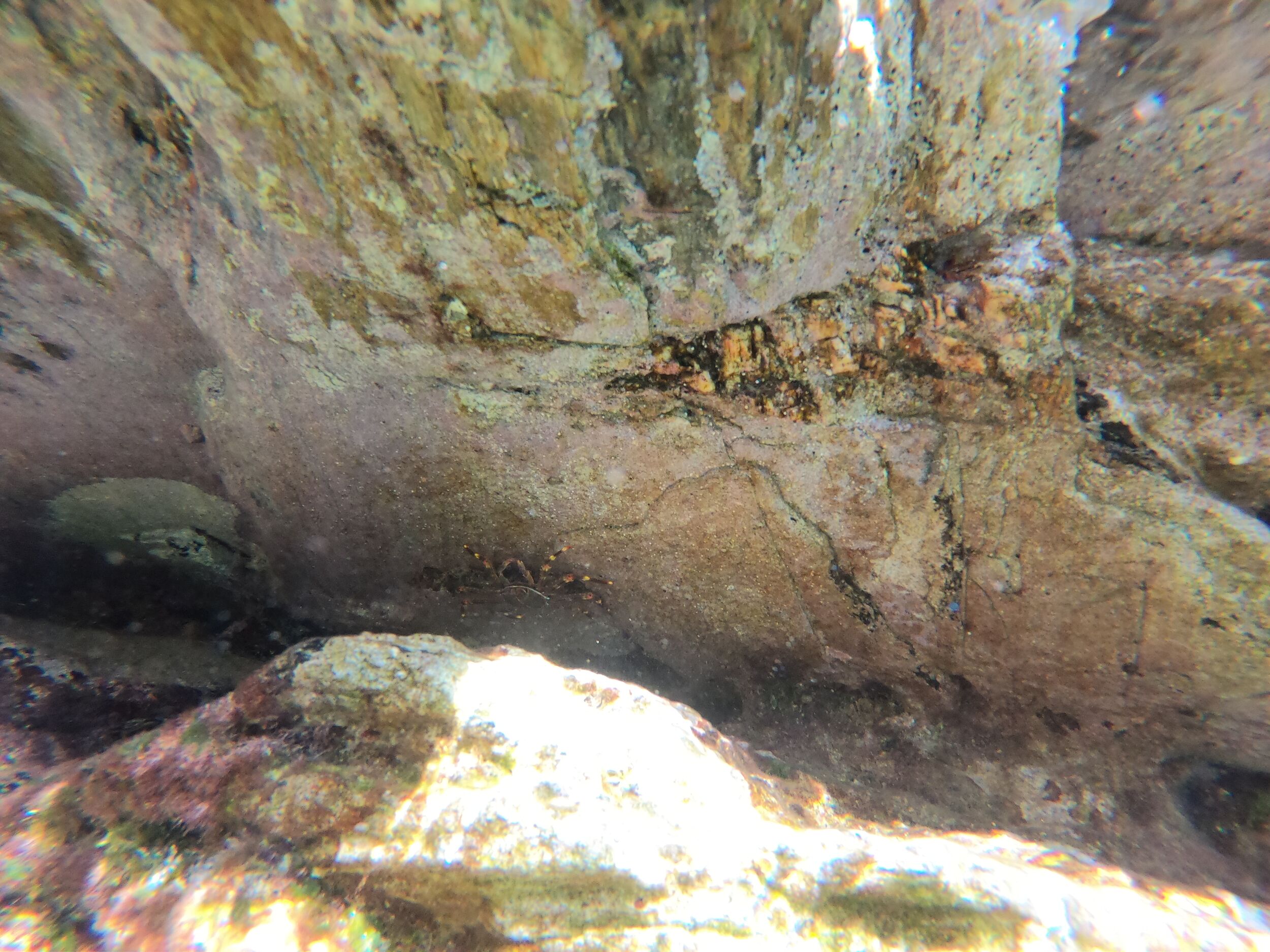
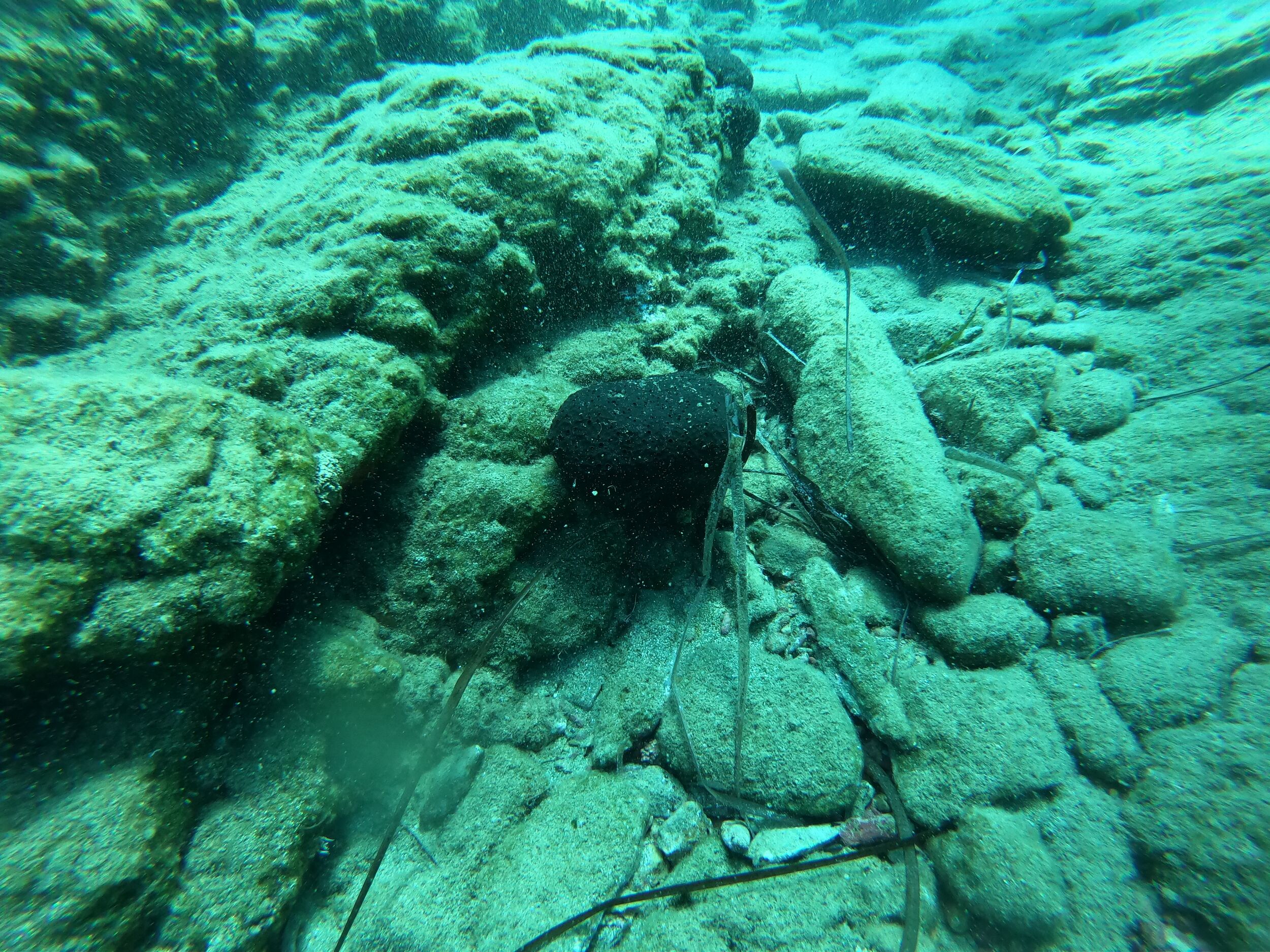
A yellow sponge - please don’t touch it! A black sponge - please don’t touch it!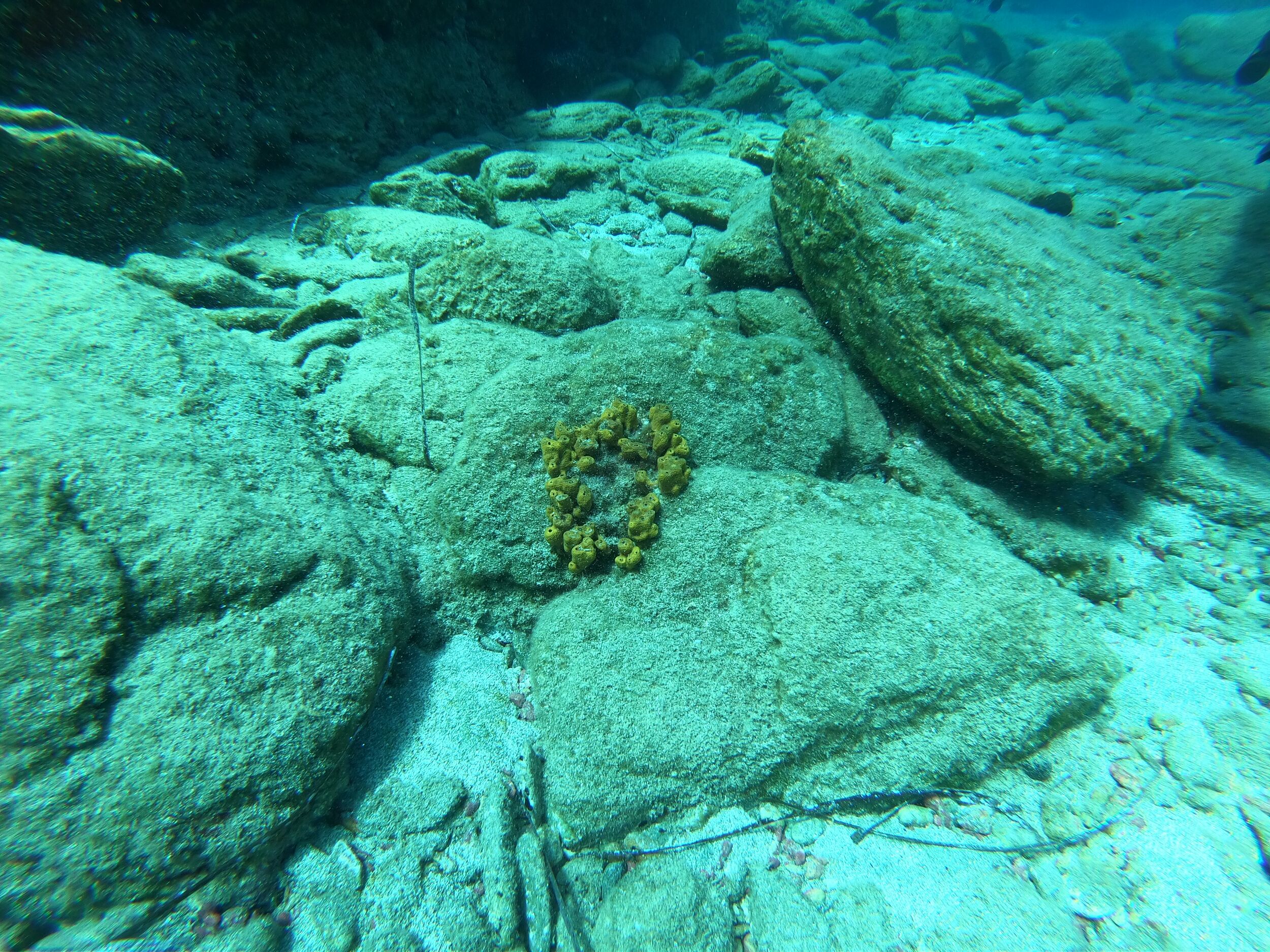
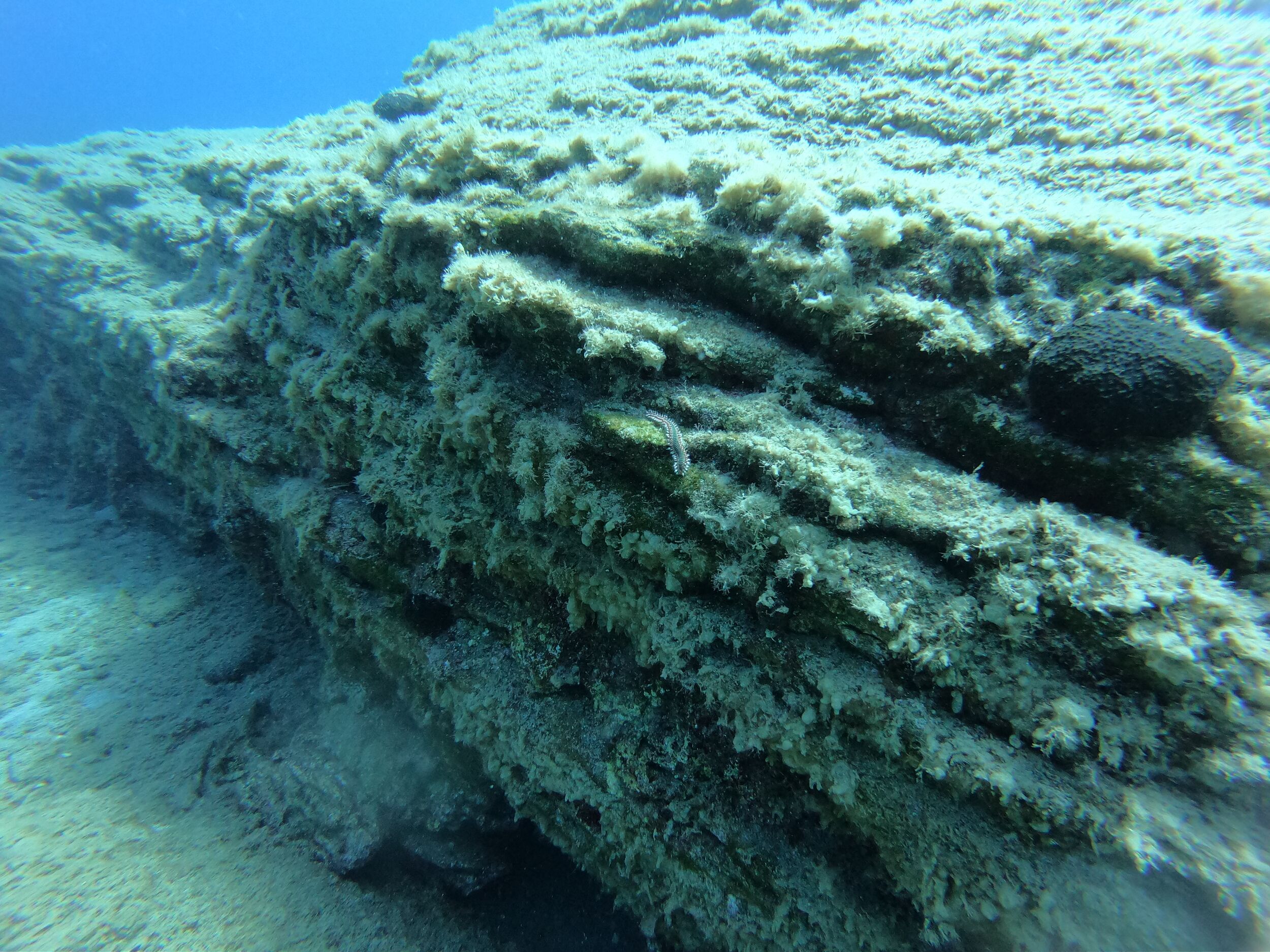
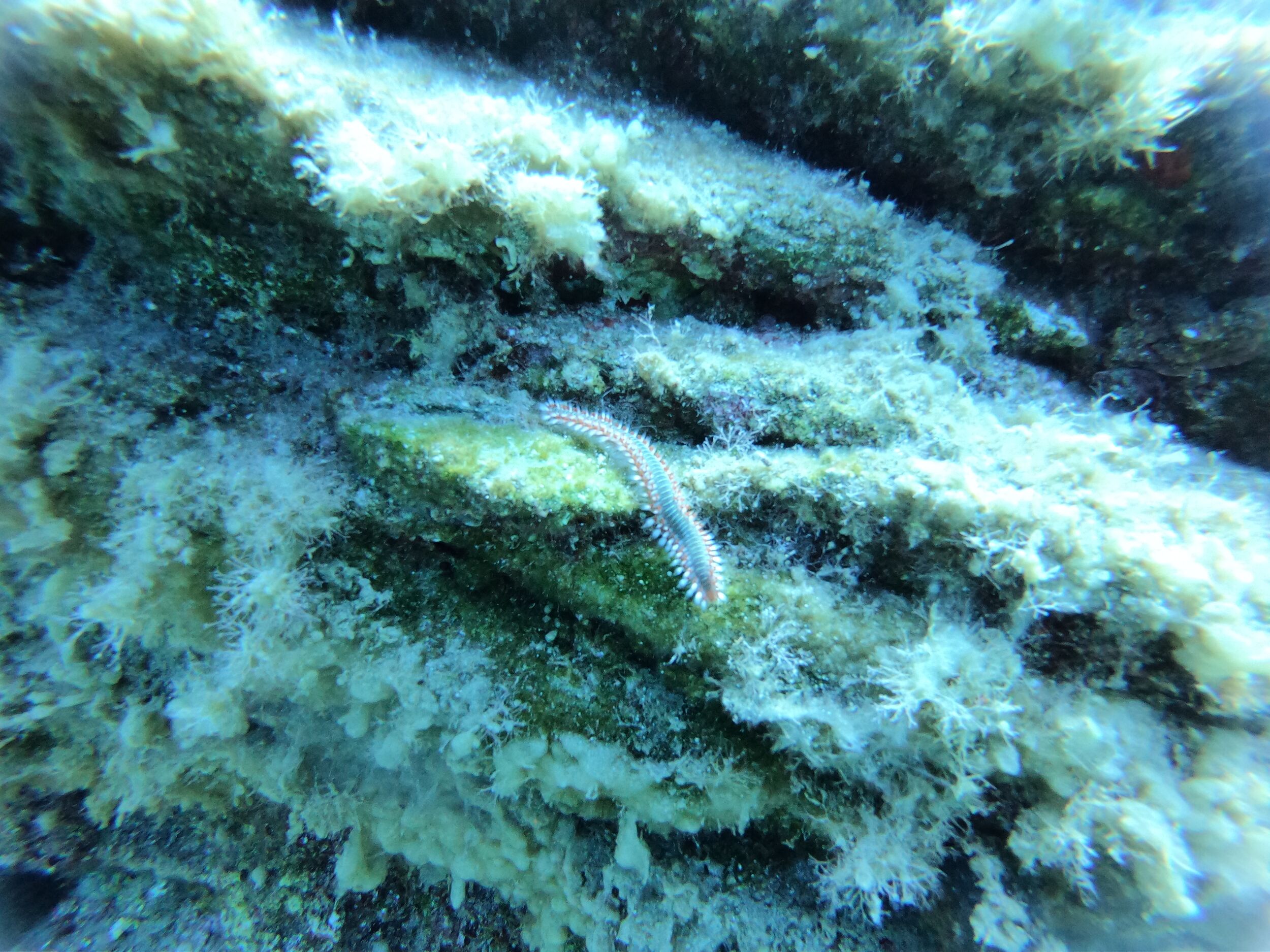
A fire worm - touch it if you want to feel fire Another fire worm A close-up of a fire worm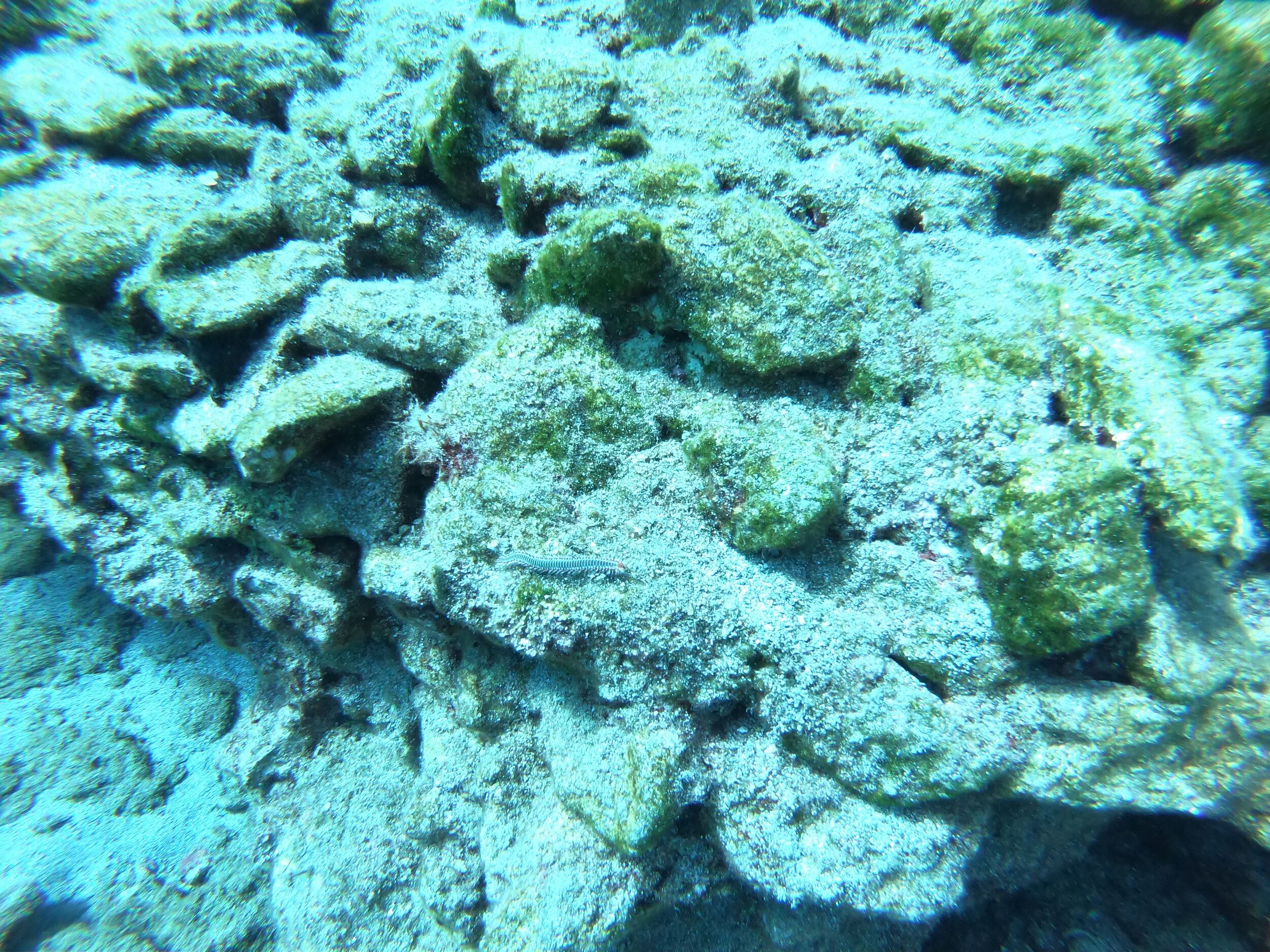
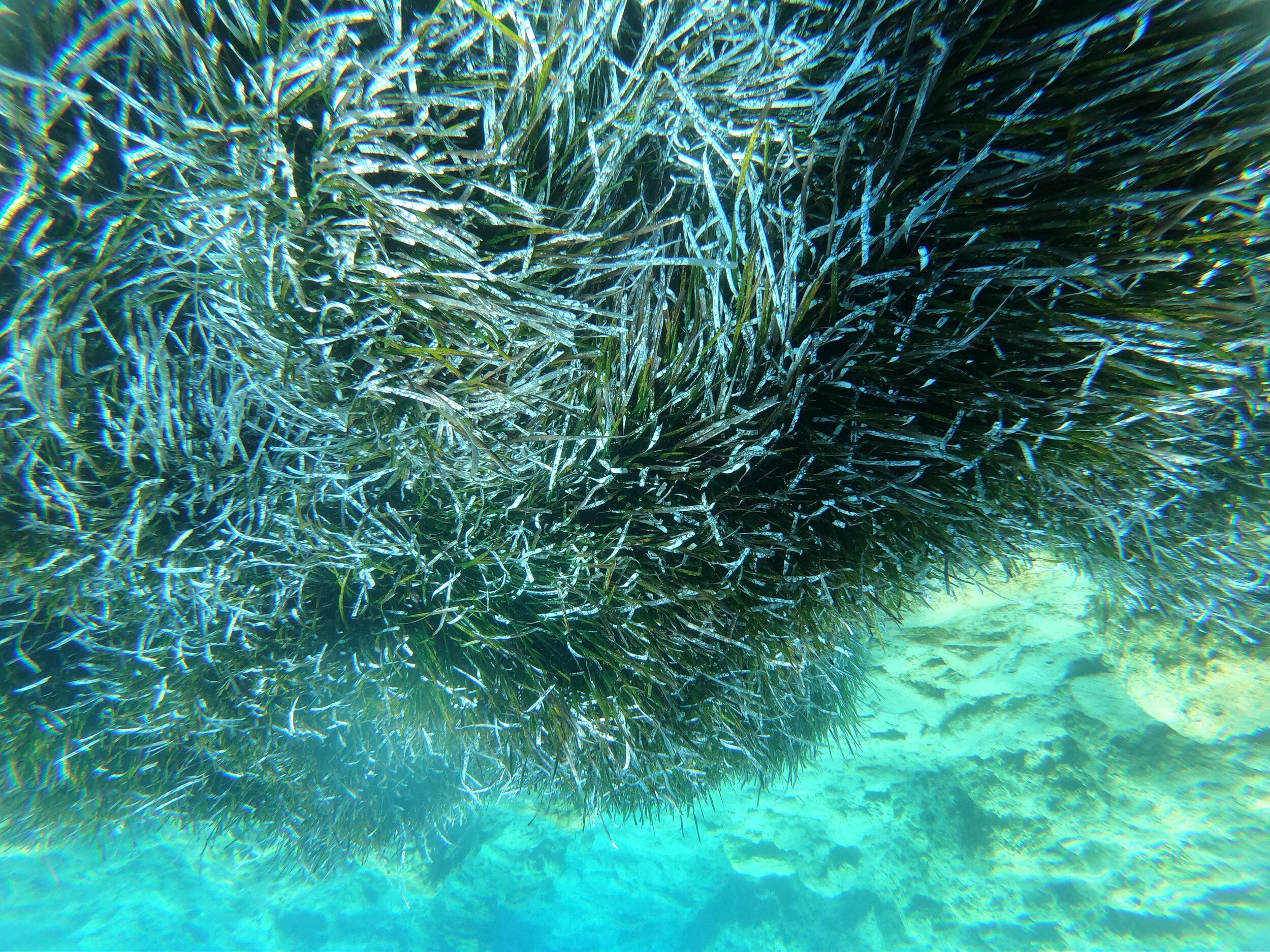
Posidonia oceanica - read about it, it’s story and biology - it’s awesome!
How it looks like underwater At about 15m deep It’s like an underwater forest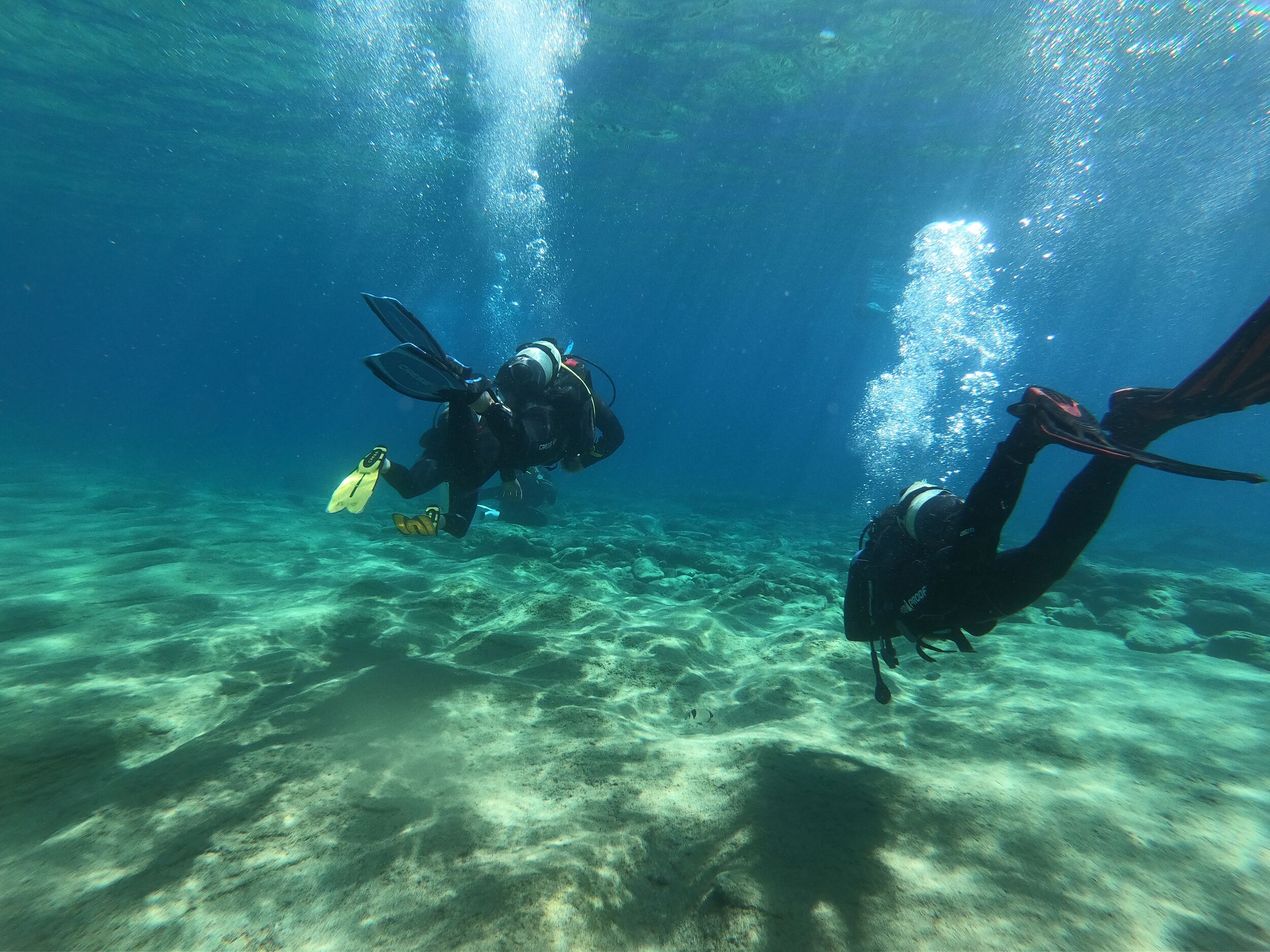
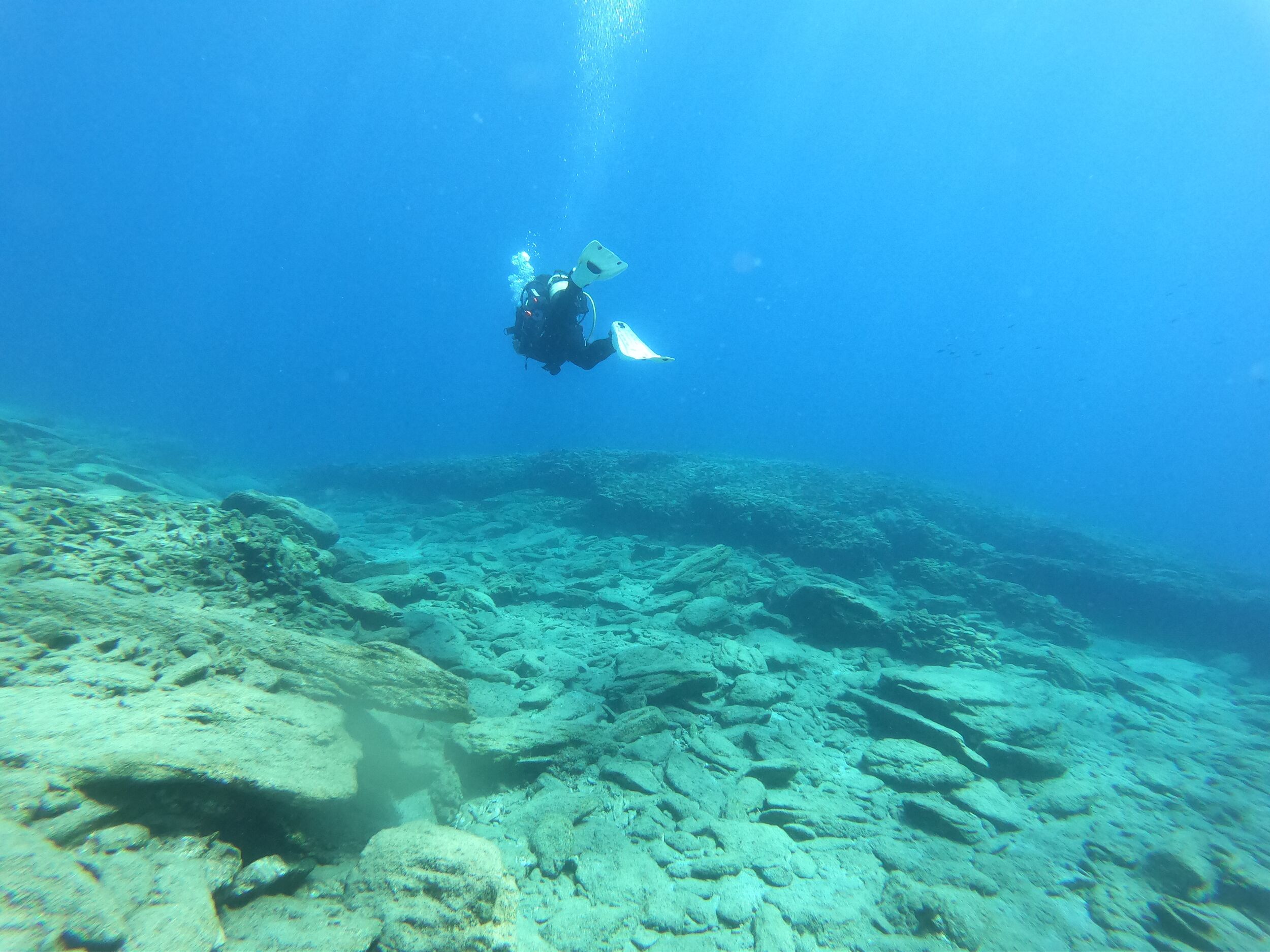
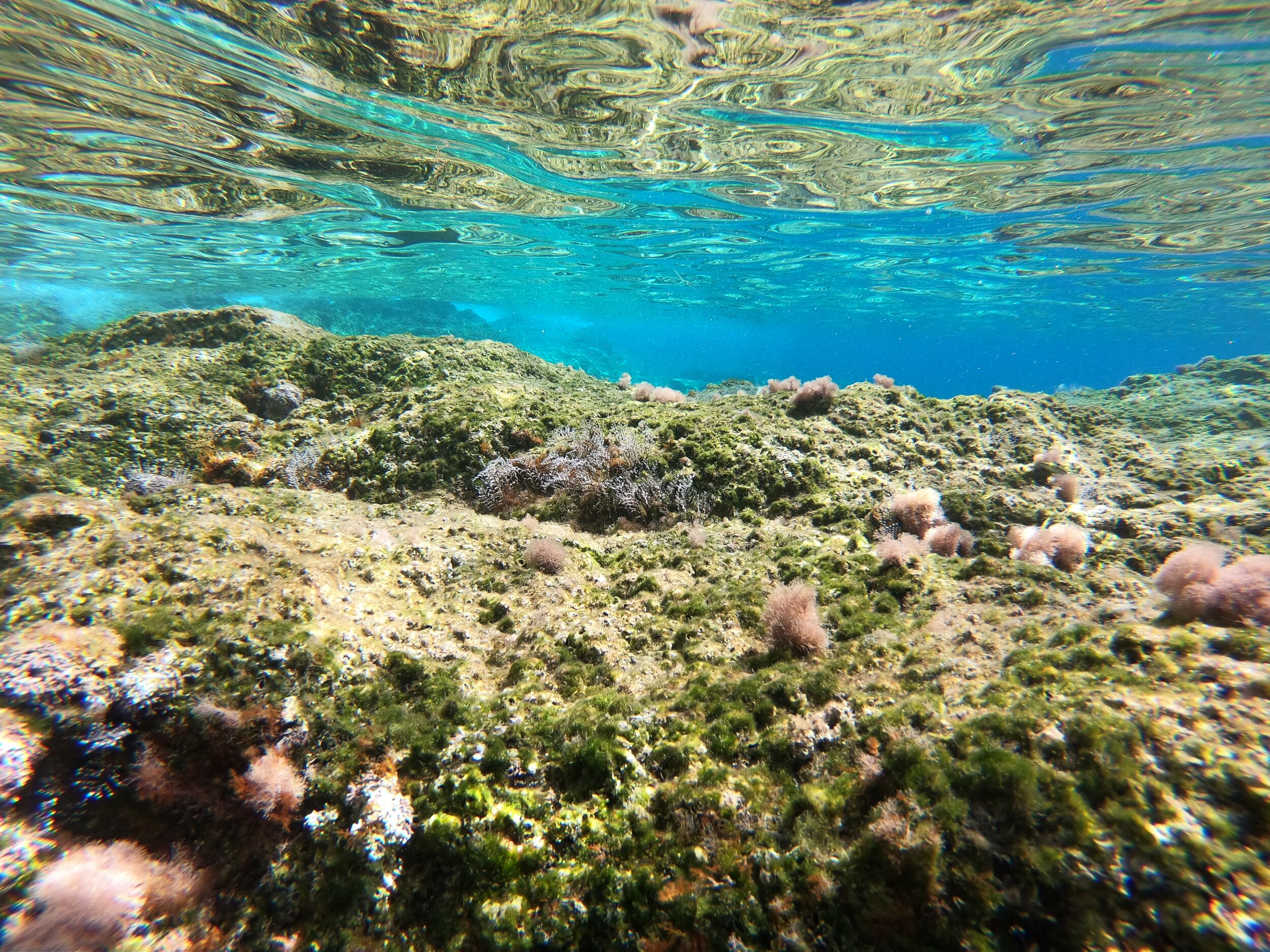
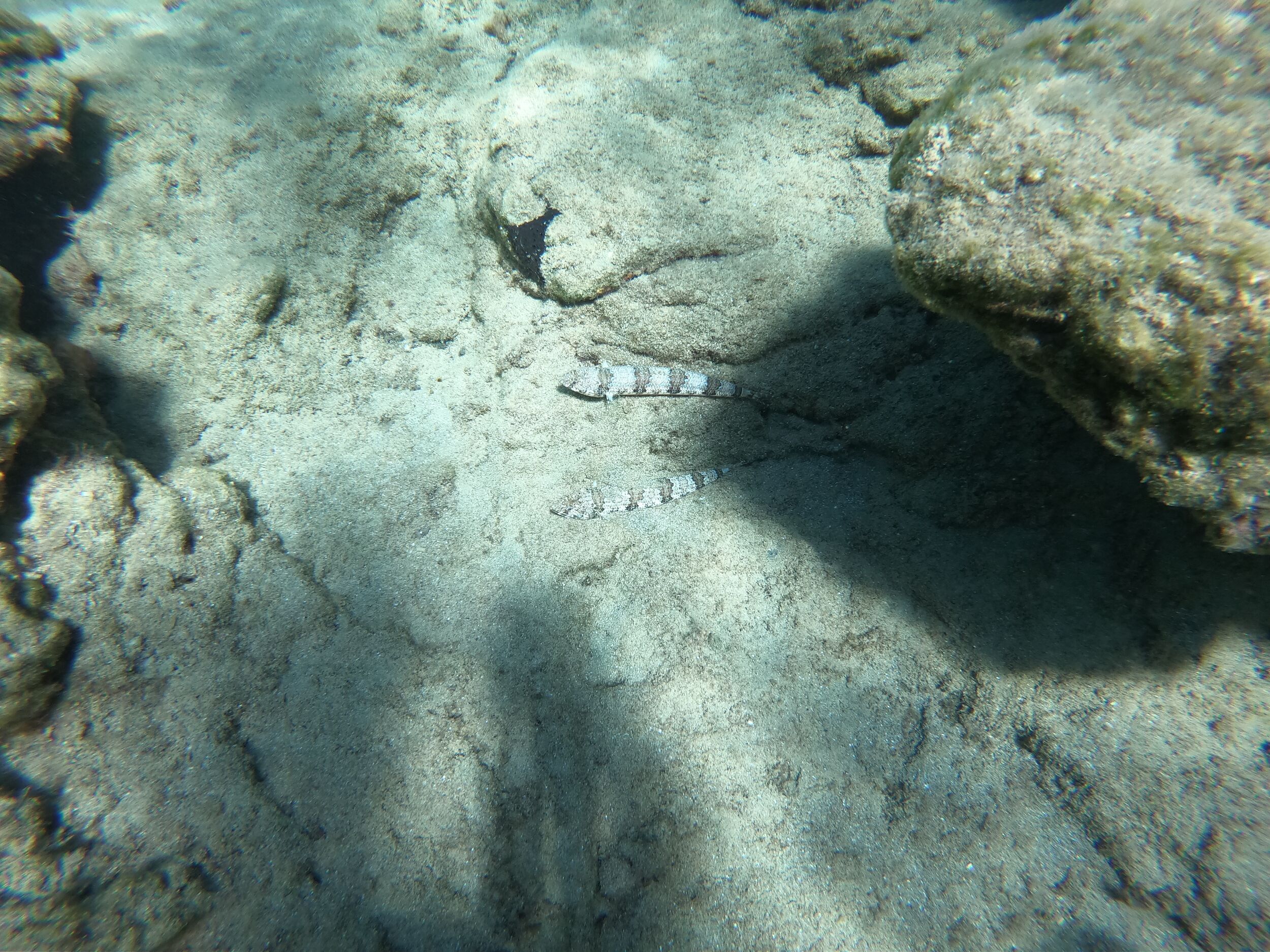
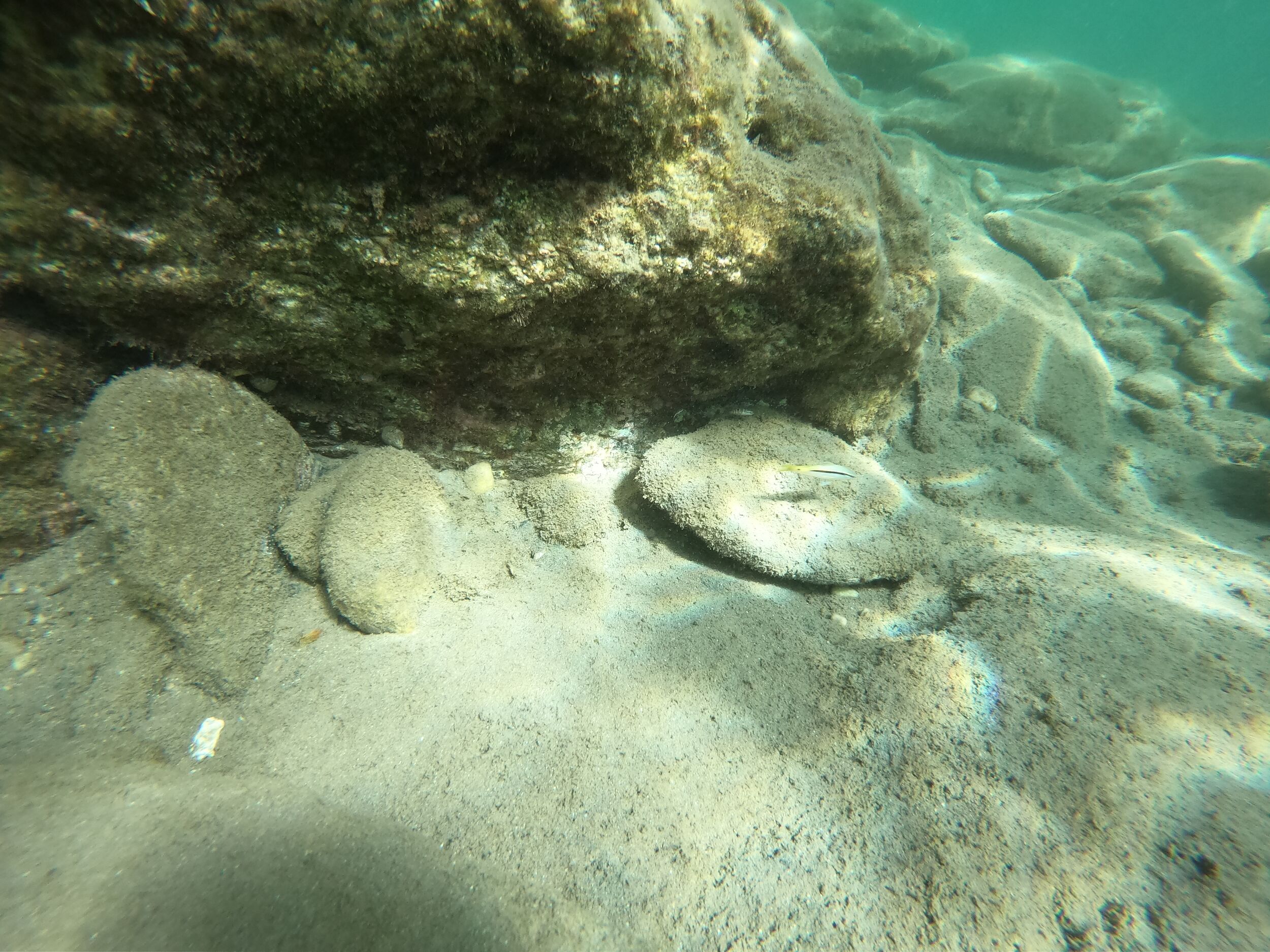
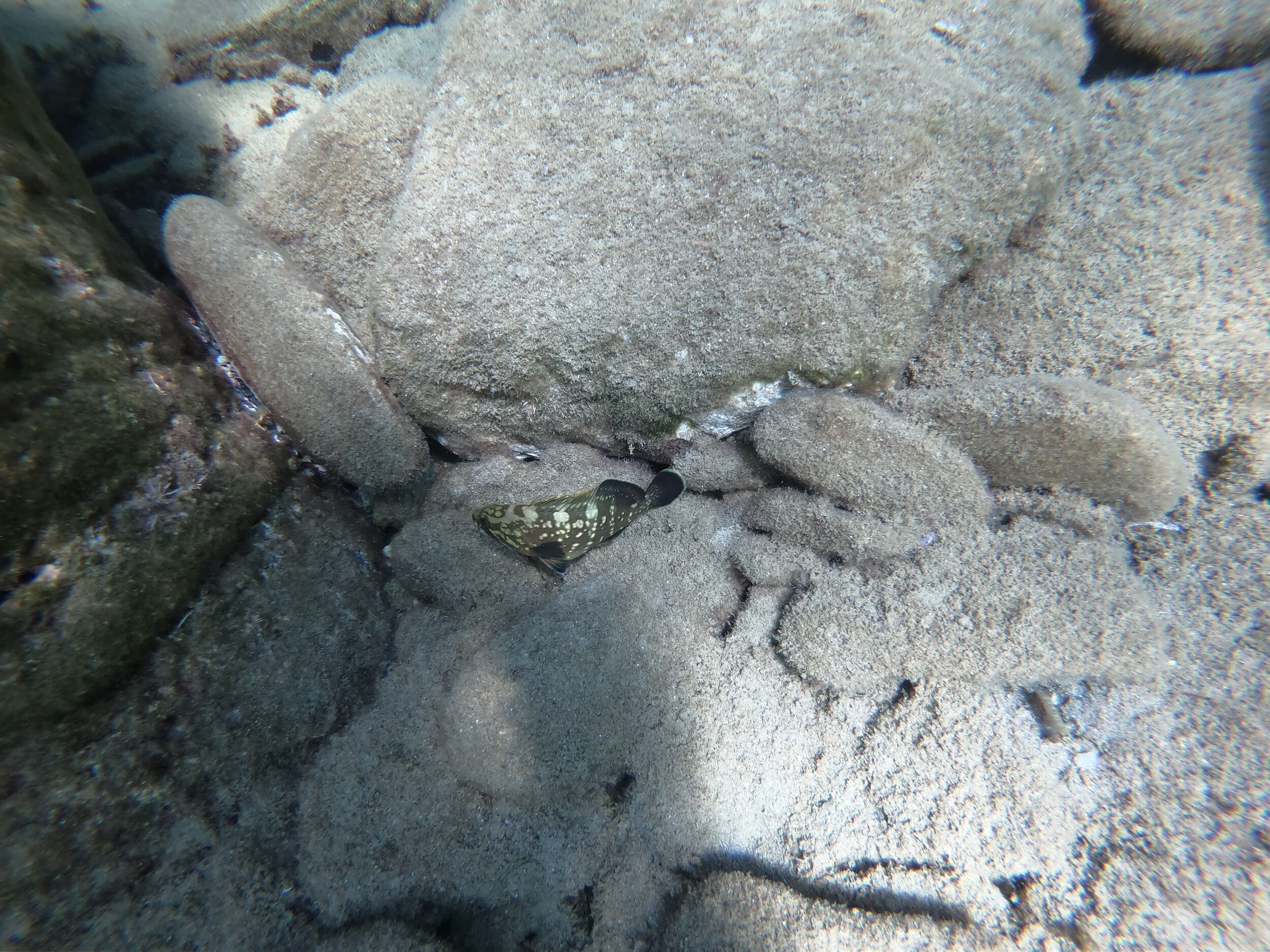
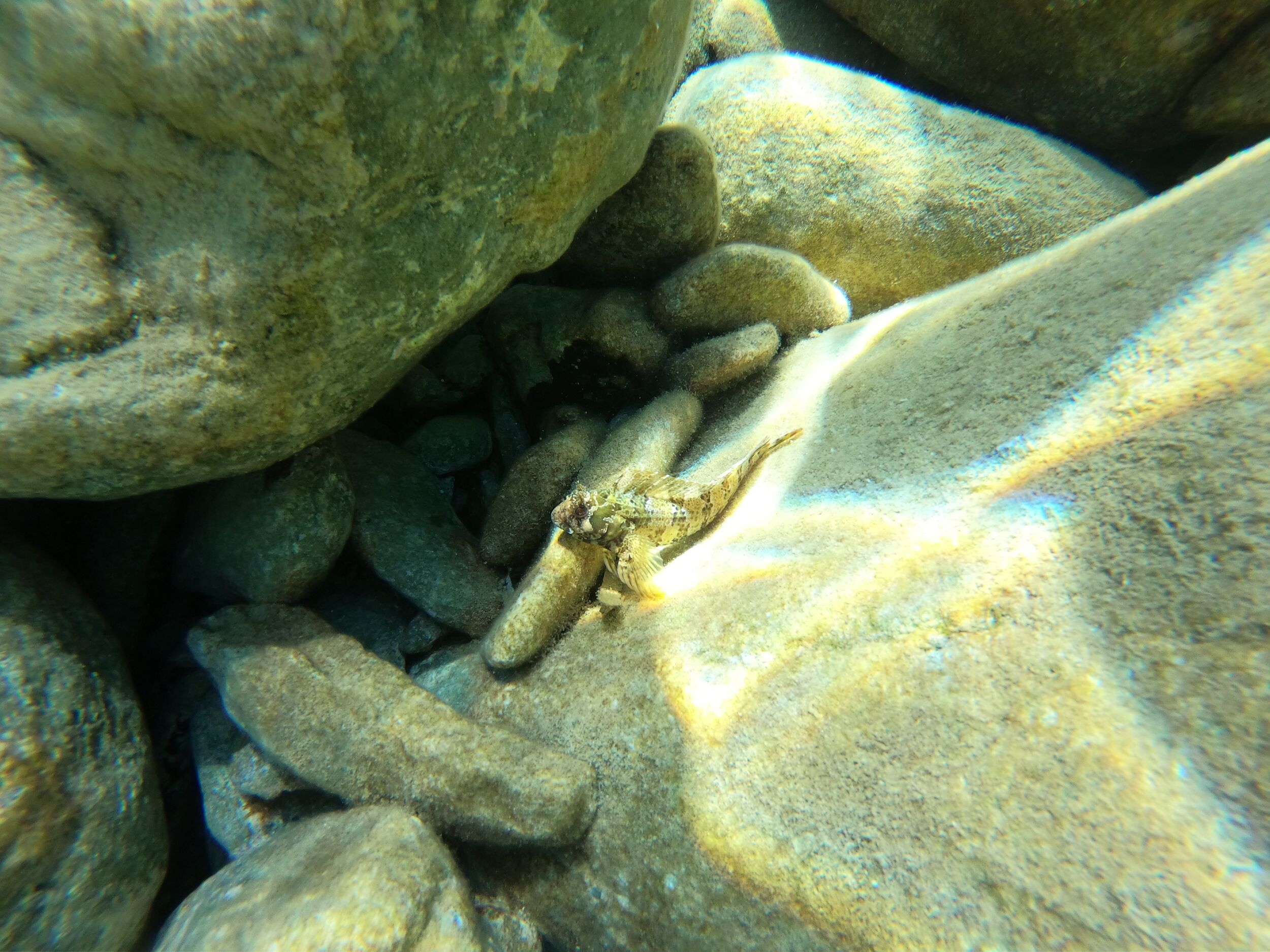
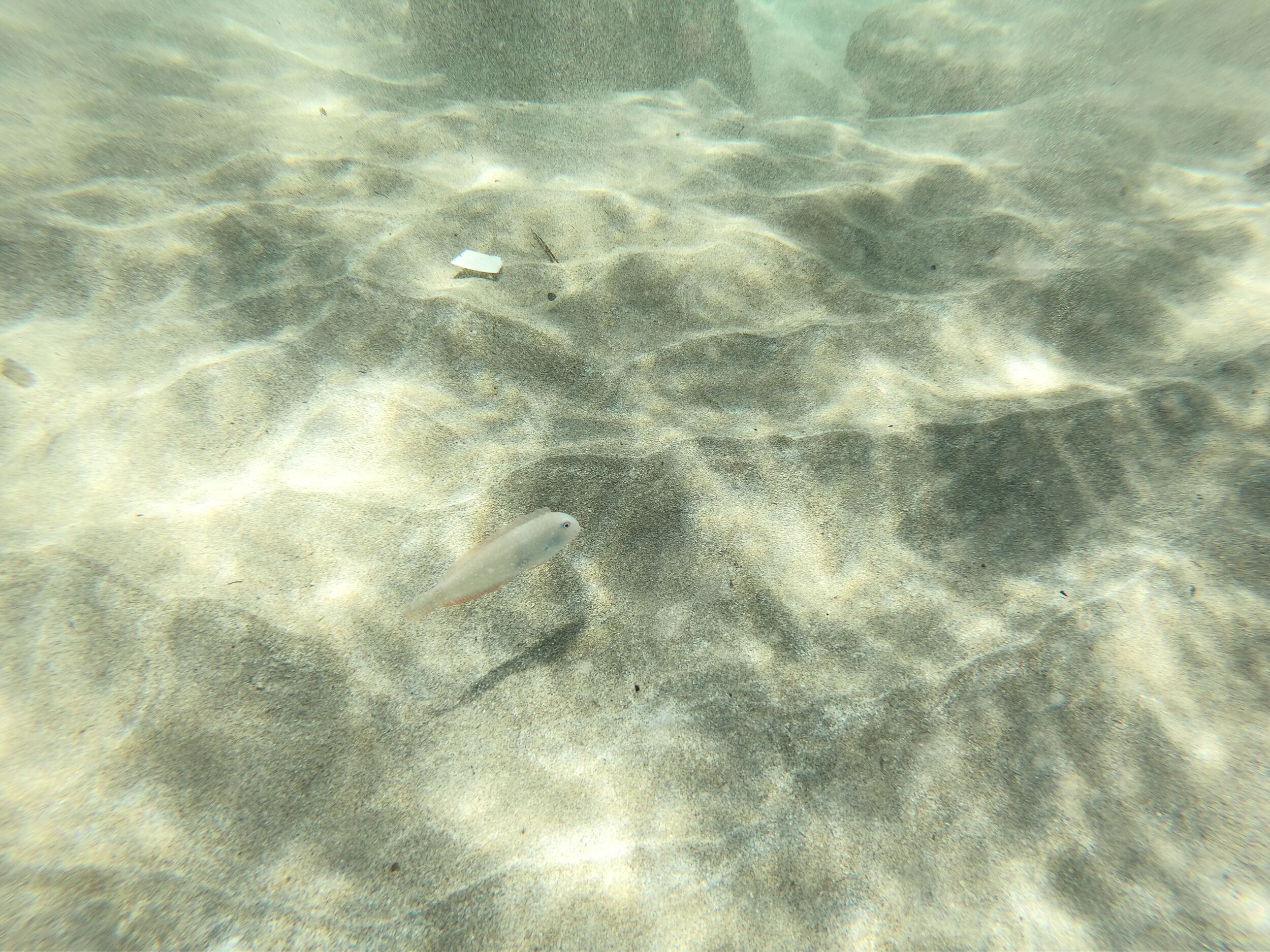
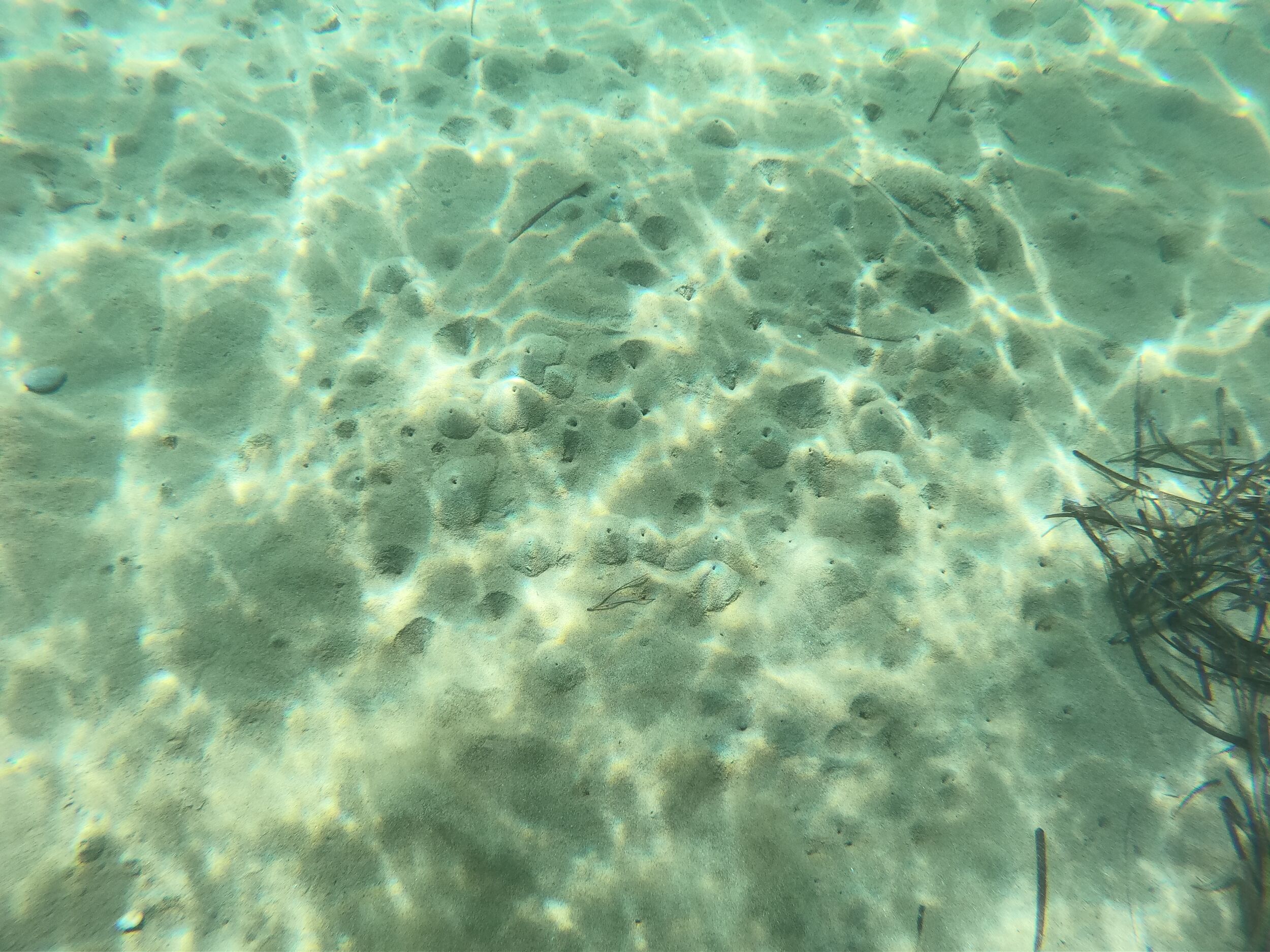
Unknown fish (buried in the sand, only the head is visible) The same fish as above Unknown fish - maybe a comber? Unknown fish - mayber another comber? Unknown fish - maybe a grouper? Unknown fish Unknown fish Unknown holes / structures underwater